There’s a good chance you’ve noticed the effects of hard water without necessarily knowing what causes them. Those stubborn white marks around the kitchen faucet, the cloudy drinking glasses, and the showerhead that needs frequent cleaning are all familiar examples. At first, these issues seem minor. After a while, constantly dealing with them becomes tiring.
For homeowners throughout Lancaster and Southeastern Pennsylvania, salt-based water softeners offer an established method of reducing excessive water hardness and making household maintenance more manageable.
Although these systems require occasional attention, their practical benefits can make them a worthwhile investment. Understanding how they work, what maintenance involves, and whether they’re suitable for your property can help you make a decision you’ll feel comfortable with for years.
What Makes Water Hard in the First Place?
Water naturally collects minerals as it travels through soil and underground rock formations. Calcium and magnesium are largely responsible for hardness, although their concentrations vary according to the water source.
When water evaporates, these minerals can remain behind, creating the familiar chalky deposits found around bathroom fixtures. Heating water can also encourage scale formation inside kettles, water heaters, and other household equipment.
Excessive hardness may interfere with certain soaps and detergents, making routine cleaning more demanding.
Whether your Lancaster home relies on municipal water or a private well, reliable hardness testing provides a useful starting point for determining whether treatment is necessary.
How a Traditional Water Softener Works
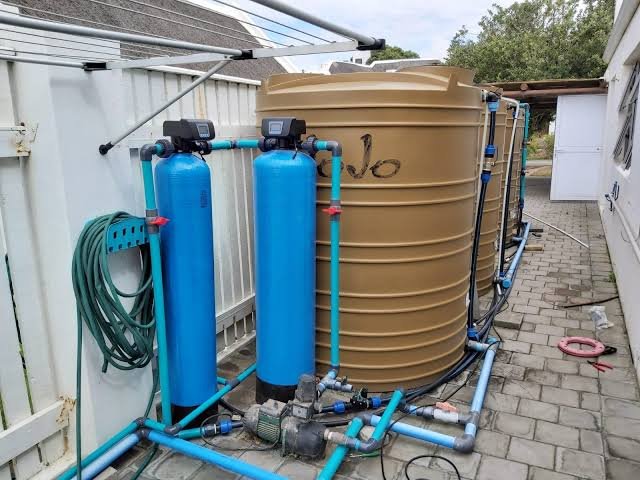
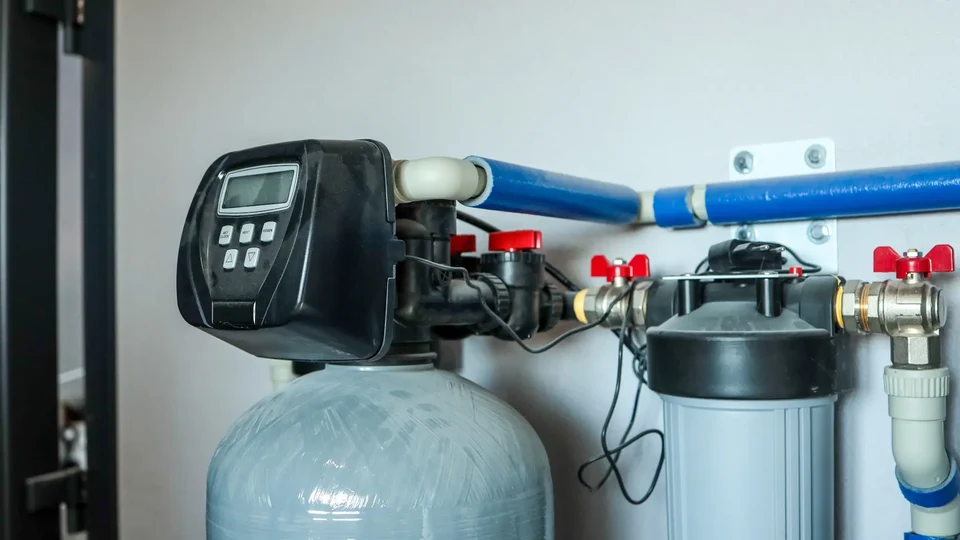
The technology behind conventional water softening is relatively straightforward. Incoming water passes through a tank containing specialized resin beads that attract dissolved calcium and magnesium ions.
Through a process called ion exchange, these hardness minerals are exchanged for sodium ions. Eventually, the resin reaches its treatment capacity and needs regeneration.
During regeneration, a saltwater solution helps restore the resin’s ability to soften incoming water.
Most modern systems manage this process automatically according to their programmed settings. Homeowners primarily need to replenish regenerating salt and arrange maintenance when necessary.
It’s a relatively hands-off arrangement once everything is properly configured, which makes conventional softening particularly appealing to busy households.
Why Professional Installation Makes a Difference
Purchasing a softener is only part of the process. Correct installation and equipment configuration are equally important for achieving dependable performance.
Reliable water softener installation and service should consider measured hardness levels, household water consumption, incoming water pressure, drainage requirements, and available installation space.
A system that’s too small may require frequent regeneration, while unnecessarily large equipment could increase initial expenses.
Accessibility matters, too. Nobody wants to squeeze behind several storage boxes whenever the brine tank needs refilling.
Before installation, discuss servicing arrangements, replacement component availability, and recommended maintenance schedules.
Getting these details sorted out early can prevent unnecessary inconvenience and help you understand what owning a softener actually involves.
Recognizing the Everyday Effects of Excessive Hardness
Some water concerns develop gradually enough that homeowners barely notice them. A little residue on the shower door becomes normal, and using extra detergent eventually turns into a habit.
Common hard water problems include recurring mineral deposits, reduced soap lather, cloudy glassware, and scale accumulation inside water-heating appliances.
While cleaning products can help remove existing deposits, they don’t address the dissolved minerals entering your home.
Suitable softening helps reduce the conditions responsible for new scale formation.
For many families, the most noticeable improvement is simply having fewer stubborn deposits to deal with during their regular cleaning routine.
And when your weekends are already packed with responsibilities, that’s no small thing.
Giving Your Household Appliances Some Extra Protection
A new dishwasher or water heater represents a considerable household investment. Naturally, you want that equipment to perform reliably for as long as possible.
Mineral scale can gradually accumulate inside water-heating equipment, potentially interfering with heat transfer and increasing maintenance requirements.
Appropriate softening helps limit new scale formation and can complement regular appliance servicing.
However, it won’t automatically reverse existing damage or guarantee that appliances will last a particular number of years.
If you’re renovating an older Lancaster property or purchasing new household equipment, checking your water hardness beforehand is a practical precaution.
Prevention often makes more sense than waiting until an expensive repair becomes unavoidable.
Understanding Salt Consumption and Maintenance Costs
One consideration with conventional softening is the ongoing requirement for regenerating salt. How much salt a household needs depends on water hardness, consumption, equipment capacity, and regeneration settings.
Demand-initiated systems monitor water usage and regenerate according to programmed settings and remaining treatment capacity, potentially reducing unnecessary salt and water consumption.
Homeowners should follow manufacturer recommendations when replenishing salt and maintaining the brine tank.
It’s also important to understand that conventional softening adds sodium to treated water. People following medically restricted sodium diets should discuss their drinking water arrangements with a healthcare professional.
Softening doesn’t provide comprehensive drinking water purification, so separate filtration may be appropriate when testing identifies additional concerns.
Making a Practical Investment in Your Lancaster Home
For families throughout Lancaster and Southeastern Pennsylvania, choosing a suitable water softener comes down to understanding their water, comparing equipment thoughtfully, and considering long-term ownership responsibilities.
The benefits aren’t always dramatic, but they can be meaningful. Fewer new mineral deposits, improved soap performance, and more manageable household cleaning can make familiar routines feel a little easier.
Your home should be a comfortable place to unwind, not somewhere you’re constantly catching up on maintenance.
With reliable testing, appropriate equipment, and consistent care, softer water can become one of those quiet household improvements you appreciate more with each passing year.