Water quality is easy to overlook when everything seems normal. You fill a glass from the kitchen tap, make a cup of tea, or run the shower before heading out for the day. It’s part of the routine. But when water starts leaving white marks on fixtures, develops an unpleasant smell, or tastes different than usual, those small details can make you wonder what is actually coming through your pipes.
The good news is that improving household water quality doesn’t necessarily require a complicated setup. The right solution depends on your water source, the issues you’re experiencing, and how much treatment your home genuinely needs. A little research at the beginning can save money and frustration later.
Why Water Quality Deserves More Attention
Water travels through a series of treatment processes and distribution pipes before reaching most homes. Municipal water suppliers generally treat water to meet applicable drinking water standards, but its characteristics can still vary by location. Private wells are different because owners are responsible for testing and maintaining their water supply.
Even when water looks perfectly clear, it may contain dissolved minerals or substances that affect taste, odor, or plumbing. Hard water, for example, can leave deposits on showerheads and kitchen taps. Iron may create reddish-brown stains in sinks and laundry. Chlorine, commonly used to disinfect public water supplies, can produce a noticeable swimming-pool-like smell for some people.
Not every concern indicates a health risk, and not every unpleasant taste means water is unsafe. Still, understanding what’s present is far more useful than guessing based on appearance alone.
Finding a System That Fits Your Household
Water treatment products come in different sizes and configurations. Some are designed for a single faucet, while others treat water as it enters the property. The best choice depends on whether the problem affects drinking water, the entire plumbing system, or both.
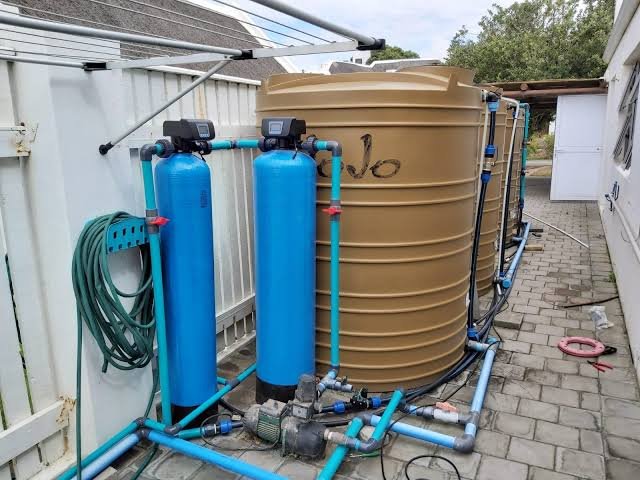
A whole house filtration system treats water at the main supply line, allowing treated water to reach multiple taps, showers, and appliances. This arrangement can be useful when the water concern extends throughout the home rather than being limited to the kitchen sink.
However, whole-house treatment isn’t automatically necessary for every property. If your main concern is the taste of drinking water, an under-sink filter may be sufficient. If you have hard water, a water softener might be more appropriate than a conventional filter. Some homes benefit from a combination of technologies because different treatment methods address different problems.
Before purchasing equipment, consider having your water tested. A test can help identify the issue and guide you toward a solution designed to address it.
Understanding Chlorine and Taste
Chlorine plays an important role in public water treatment because it helps control harmful microorganisms as water moves through the distribution network. Its presence in treated municipal water is not, by itself, proof of poor water quality. The amount used is regulated, and disinfection helps protect public health.
That said, some people dislike the smell or taste it can leave behind. A glass of water may be safe to drink yet still taste less refreshing than expected. The difference can be especially noticeable when making coffee, tea, or ice cubes.
Activated carbon filters can reduce chlorine and improve taste and odor when the filter is designed and rated for that purpose. Carbon filtration does not remove every possible contaminant, though. If your concern involves lead, nitrates, bacteria, or another specific substance, you’ll need to check the system’s verified reduction claims rather than assume a general-purpose filter will handle it.
Replacing cartridges on schedule is equally important. As filter media becomes exhausted, its ability to perform as intended may decline. Follow the manufacturer’s maintenance instructions and choose a model with replacement filters that are readily available.
Dealing With Iron Stains and Metallic Taste
Iron in water can be frustrating, particularly when it repeatedly stains bathroom fixtures, sinks, white clothing, or freshly cleaned laundry. In some cases, the water looks clear when first drawn but develops an orange or brown tint after standing. In other situations, particles may be visible immediately.
The treatment method depends on the form and concentration of iron, as well as other characteristics of the water. Dissolved ferrous iron behaves differently from oxidized iron particles. Manganese, pH, and water hardness can also affect the choice of equipment.
For that reason, eliminating iron from a household water supply usually begins with testing rather than buying the first filter advertised for iron removal. Depending on the results, treatment may involve oxidation followed by filtration, specialized filter media, or another suitable process. A properly selected system can help reduce staining and improve the water’s appearance, but performance depends on correct installation and maintenance.
If the home uses well water, periodic testing is particularly worthwhile because water chemistry can change over time. Iron itself is not generally the same kind of concern as disease-causing microorganisms, but unusual changes in color, smell, or taste should be investigated rather than ignored.
Don’t Overlook Maintenance and Running Costs
A filtration system is not a one-time purchase that can be forgotten. Depending on its design, it may need cartridge changes, media replacement, cleaning, backwashing, or professional servicing. Some systems also require electricity or discharge water during their cleaning cycles.
These costs are worth checking before installation. Ask how frequently components need replacing, what replacement parts cost, and whether local service is available. A system with a low purchase price may turn out to be less economical if its filters are expensive or difficult to source.
It’s also helpful to understand what normal operation looks like. A sudden drop in water pressure, an unusual change in taste, or recurring staining could indicate that the system needs attention. Keeping a basic maintenance record makes it easier to spot patterns and arrange service before a small issue becomes a bigger inconvenience.
Compare Performance, Not Just Promises
When comparing products, look for clear specifications and independent certifications that apply to the exact performance claims being made. Standards from organizations such as NSF and ANSI can help consumers assess whether a product has been evaluated for particular purposes. Certification for one type of reduction should not be interpreted as proof that the product removes every contaminant.
Ask suppliers to explain how a system will address your test results. If a particular contaminant is your main concern, verify that the product is specifically rated to reduce it under the relevant operating conditions. Clear answers are more valuable than broad claims about advanced technology or superior water quality.
A reputable provider should also explain installation requirements, expected maintenance, and any limitations. You deserve to understand what you’re buying before committing to the expense.
Make Better Water a Practical Goal
Improving household water quality starts with asking the right questions. Where does your water come from? What problems have you noticed? What does testing reveal? And which treatment method is actually designed to address those findings?
Once you have those answers, choosing equipment becomes much more straightforward. You may need a simple drinking water filter, a dedicated iron treatment system, or a whole-house solution that tackles several concerns. There isn’t one perfect setup for every home, and that’s perfectly fine.
The aim is to choose a system that fits your water, your budget, and your daily routine. With sensible testing, realistic expectations, and consistent maintenance, you can make a more informed investment in the water your household uses every day.