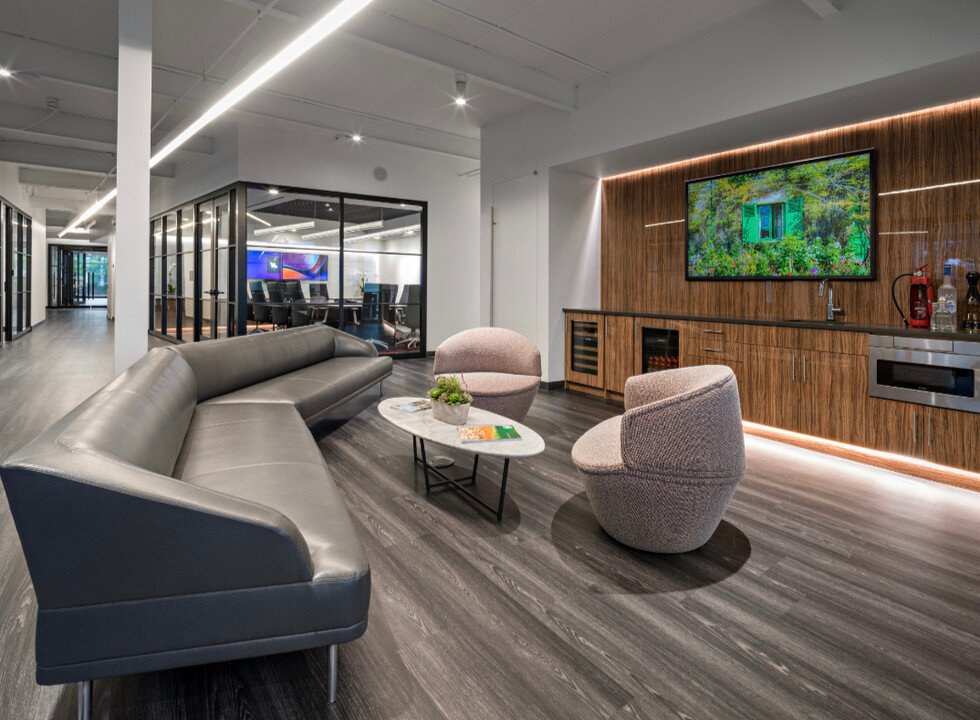
A Beautiful Home Is More Than What You See
When people dream about their ideal home, they often picture polished kitchens, stylish furniture, or magazine-worthy living rooms. Those details definitely matter, but they’re rarely the reason a home feels genuinely comfortable. What really makes a difference is how the space works day after day.
We’ve all walked into homes that looked impressive yet somehow felt awkward. Maybe the dining area interrupted the natural path through the house, or the living room felt cramped despite being fairly large. On the other hand, there are homes that seem effortless. You settle in almost immediately because everything simply makes sense.
That kind of comfort doesn’t happen by luck. It’s usually the result of thoughtful planning that considers how people actually live rather than how a room looks in photographs.
Designing for Real Life Instead of Perfect Pictures
Interior trends come and go at an incredible pace. Every year brings new colours, materials, and decorating ideas that promise to transform a home. While inspiration has its place, chasing trends alone often leads to spaces that look current but don’t function particularly well.
The most successful homes are built around everyday routines.
Think about your own habits. Maybe mornings are hectic, with everyone trying to leave at the same time. Perhaps evenings revolve around family dinners, movie nights, or quiet reading after work. Some people work remotely and need peaceful corners, while others love entertaining friends every weekend.
A home should support those moments naturally.
That’s why experienced designers begin by understanding lifestyles before selecting finishes or furnishings. They know that practical decisions made early often have the biggest impact later.
Every Home Deserves a Unique Layout
No two families use a home in exactly the same way.
A retired couple has different priorities than a growing family. Someone living alone may value open entertaining spaces, while another homeowner might need several private work areas. Even houses with identical floor plans can feel completely different once they’re designed around individual needs.
Instead of relying on generic layouts, thoughtful professionals develop custom layout concepts that respond to the people who will actually live there. Sometimes that means opening up shared spaces for better connection. Other times, it means creating smaller, quieter areas where concentration or relaxation comes more easily.
Good design isn’t about following a template. It’s about finding the right balance for each household.
Looking Beyond Individual Rooms
One common mistake during renovations is treating every room as its own separate project.
The kitchen gets redesigned first. Later comes the bathroom. Then maybe the living room receives new furniture. While these improvements may look nice individually, they don’t always work together.
A home functions as one connected environment.
The way people move between rooms matters just as much as the appearance of each individual space. Hallways, doorways, sightlines, lighting, and storage all influence how comfortable a house feels from morning until night.
When every decision supports the next one, daily life becomes noticeably smoother without anyone really thinking about why.
Making Every Space Work Harder
Not every home has endless square footage, and honestly, it doesn’t need to.
Some of the most welcoming homes aren’t especially large. They’ve simply been planned with intention.
Unused corners become reading nooks. Spare bedrooms double as guest rooms and home offices. Dining areas comfortably accommodate both family meals and weekend gatherings. Even narrow hallways can include useful storage without feeling crowded.
This kind of room by room spatial optimization helps homeowners unlock the full potential of their available space. Rather than adding unnecessary extensions, thoughtful planning often reveals opportunities that were already there, just waiting to be recognised.
It’s surprising how much difference a few carefully considered changes can make.
Why Function Should Always Lead the Design
Beautiful finishes certainly attract attention, but functionality keeps homeowners happy long after the excitement of renovation fades.
Consider a kitchen where every frequently used item is within easy reach. Imagine bathrooms with practical storage instead of cluttered countertops. Picture living spaces where furniture encourages conversation without blocking natural movement.
These details may seem small individually, yet together they shape everyday experiences.
When function comes first, beauty tends to follow naturally because everything feels intentional rather than forced.
The best designs rarely shout for attention. They quietly improve the way people live.
Planning With the Future in Mind
Life has a habit of changing when we least expect it.
Children grow older. Careers shift. Parents visit more often. A hobby develops into a business. What works perfectly today may need adjusting five or ten years from now.
Flexible homes adapt gracefully.
Instead of creating highly specialised rooms that serve only one purpose, thoughtful planning leaves room for change. Multi-functional spaces, adaptable storage solutions, and flexible layouts allow homes to evolve without requiring another major renovation every few years.
It’s a practical approach that saves both time and money over the long run.
Small Decisions Often Create the Biggest Improvements
People sometimes assume successful home design requires dramatic structural changes. In reality, many meaningful improvements come from relatively modest adjustments.
A doorway moved slightly can improve circulation. Built-in shelving can eliminate clutter throughout an entire room. Better furniture positioning can make compact spaces feel surprisingly open.
Even increasing natural light by rethinking window placement or interior partitions can completely change how a home feels.
These aren’t headline-grabbing renovations, but they’re often the changes homeowners appreciate the most because they improve daily life in subtle, lasting ways.
A Home Should Reflect Purpose, Not Just Style
Every design choice should answer a simple question: why does this belong here?
When spaces are filled without intention, they quickly become cluttered or uncomfortable. When each room has a clear purpose, everything feels calmer and more cohesive.
This is where purpose driven design strategies make such a meaningful difference. Rather than decorating first and solving problems later, homeowners begin by identifying what each area truly needs to accomplish. The result is a home that feels balanced, functional, and genuinely personal instead of simply fashionable.
Purpose gives every design decision direction.
Comfort Is the Real Measure of Great Design
At the end of the day, most homeowners aren’t trying to impress strangers. They’re creating a place where everyday life feels easier, calmer, and more enjoyable.
The homes people remember most aren’t always the largest or the most luxurious. They’re the ones where conversations happen naturally, mornings feel less rushed, and every room quietly supports the people living inside it.
Thoughtful planning creates that experience. It transforms ordinary square footage into meaningful living space, helping every corner serve a purpose without sacrificing warmth or personality.
Trends will continue changing, colours will evolve, and design styles will shift with time. But a home that’s carefully planned around real people and real routines never loses its value. That’s the kind of design that feels right today—and still feels right many years from now.

Admin
A contributor to the Blogistra editorial desk, covering ideas, industries and modern life.
More from this author