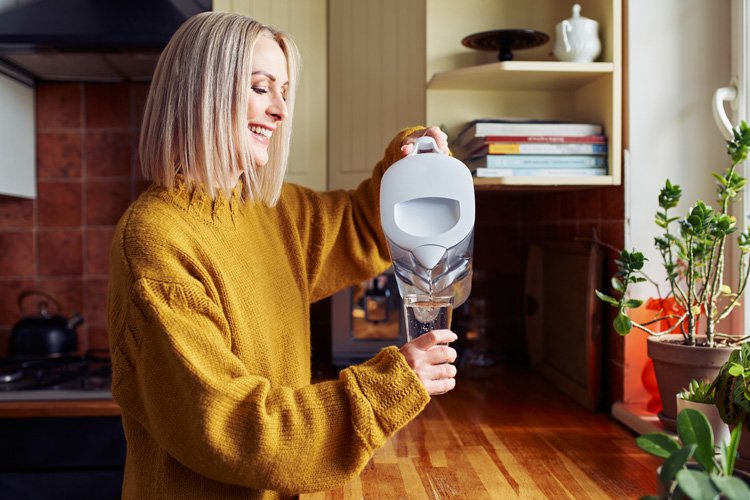
You probably pay more attention to the water coming from your kitchen faucet than the water flowing through the rest of your house. That’s understandable. After all, drinking water is something we consume directly.
But what about those tiny particles collecting inside your showerhead? Or the unpleasant smell that occasionally fills the bathroom when you turn on the tap?
Water quality affects practically every room in a home, from the laundry area to the kitchen. Installing individual filters wherever problems appear might offer temporary relief, but it’s not always the most convenient approach.
Treating water before it travels through household plumbing offers another possibility. With thoughtfully selected equipment, homeowners can address several recurring water quality concerns without constantly looking for separate solutions.
Why Treating Water at Its Entry Point Makes Sense
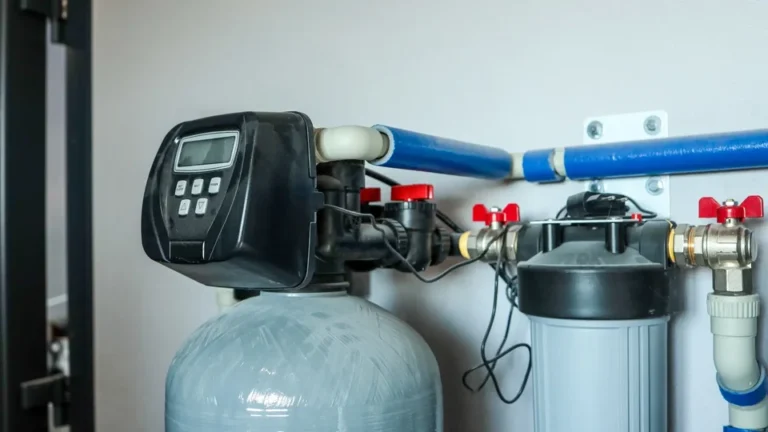
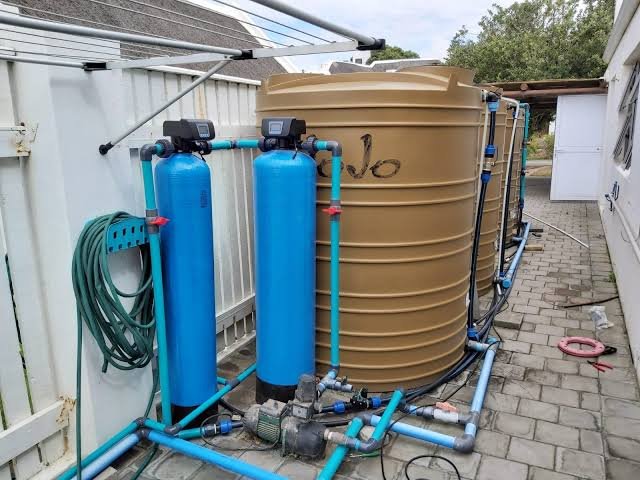
Most homes receive water through a main supply line that branches out toward different fixtures and appliances. Installing treatment equipment at this location allows water to undergo filtration before reaching connected household outlets.
That’s the practical advantage of point-of-entry water filtration. Rather than concentrating exclusively on a single faucet, it addresses selected water quality concerns at the beginning of the household distribution process.
Consider a home where suspended particles regularly appear in bathroom sinks and kitchen faucets. Installing individual filters might help, but maintaining several separate units can become inconvenient and expensive.
Centralized treatment offers a more organized alternative.
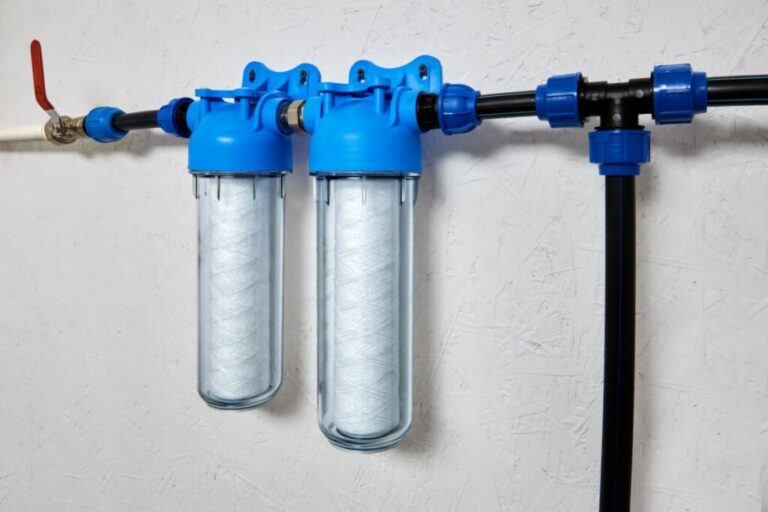
Depending on incoming water conditions, equipment may include sediment filters, activated carbon, or specialized treatment media.
However, no single filtration method addresses every possible water quality concern. Understanding what your water contains is essential before purchasing equipment.
A proper assessment can help determine whether basic filtration is sufficient or additional treatment technologies deserve consideration.
How Sediment and Carbon Filters Complement Each Other
Water can contain both visible particles and dissolved substances that influence its appearance, taste, and smell. Addressing these concerns often requires different filtration materials.
A well-designed arrangement involving whole-home sediment and carbon filtration combines complementary treatment methods to address multiple water quality characteristics.
Sediment filters physically capture suspended particles such as sand, dirt, and rust. Activated carbon works through adsorption, helping reduce selected chemical compounds and substances associated with unpleasant tastes and odors.
Together, these technologies may offer several practical advantages:
- Reduced suspended particles reaching household fixtures.
- Improved water clarity when sediment causes cloudiness.
- Reduction of selected disinfectant-related tastes and odors.
- Less particulate accumulation inside appliance inlet screens.
- More convenient centralized filtration maintenance.
The order of treatment components matters, too. Placing appropriate sediment filtration before carbon media may help reduce particulate loading on subsequent treatment stages.
It’s worth remembering that standard sediment and carbon filters don’t effectively remove dissolved hardness minerals.
If excessive hardness is responsible for chalky deposits throughout your property, conventional water softening may also be appropriate.
Experience the Difference Beyond Your Drinking Water
There’s something appealing about making a home improvement that benefits several everyday activities instead of serving just one purpose.
Achieving improved water quality throughout your entire home can make ordinary routines more comfortable, particularly when treatment equipment addresses concerns you’ve been dealing with for years.
Perhaps you’ve grown accustomed to an unpleasant odor during your morning shower. Maybe you’re regularly cleaning sediment from faucet aerators or wondering why tiny particles keep appearing in your bathroom sink.
Appropriate filtration may help reduce these frustrations.
There’s also the convenience of maintaining one centralized treatment arrangement rather than replacing cartridges in numerous individual filters.
For households that rely heavily on water-dependent appliances, reducing suspended particles may help limit certain avoidable maintenance problems.
Of course, the actual benefits depend on your original water conditions and the effectiveness of the selected equipment.
That’s why realistic expectations matter. Better filtration doesn’t mean you’ll never encounter another plumbing problem, but it can address some of the conditions contributing to recurring inconveniences.
Choose Equipment That Fits Your Property
A filtration system needs to accommodate your household’s busiest moments. Think about evenings when someone’s taking a shower, dinner is being prepared, and the washing machine is running simultaneously.
An undersized system could introduce unnecessary water pressure restrictions during these periods.
Before purchasing equipment, discuss household consumption, peak flow requirements, incoming water pressure, and available installation space with a qualified professional.
Consider future maintenance as well.
A filter installed in an awkward corner of the utility room might make routine cartridge replacements unnecessarily difficult.
Ask about replacement media costs, equipment accessibility, expected servicing intervals, and independently verified contaminant reduction capabilities.
Getting these details right beforehand can save considerable frustration later.
Water Testing Should Come Before Treatment
Even perfectly clear water can contain potentially harmful contaminants. Appearance and taste alone cannot establish whether water is safe to consume.
Municipal water customers can review their utility’s water quality reports and investigate property-specific concerns when necessary.
Private well owners should arrange appropriate laboratory testing for bacteria, nitrates, and other relevant contaminants.
Once filtration equipment is installed, follow manufacturer recommendations for maintenance and periodic performance checks.
Reliable testing and regular servicing are essential parts of responsible water treatment.
A Simple Improvement With Everyday Benefits
Whole-house filtration isn’t about installing the most sophisticated equipment available. It’s about finding practical answers to water quality problems that affect your household.
Start with reliable information, identify your priorities, and choose treatment technologies that genuinely suit your property.
There’s something satisfying about enjoying a fresher-smelling shower, finding fewer particles around your faucets, and spending less time dealing with recurring water-related frustrations.
These improvements might not attract the attention that a newly remodeled kitchen or bathroom would.
Still, they can make a home feel more comfortable in ways you’ll appreciate every day. Sometimes, the improvements that matter most are the ones working quietly behind the scenes.