Good water is one of those things most people notice only when something goes wrong. The taste changes, a strange smell appears, or the water suddenly looks a little cloudy. Until then, the filtration or treatment system sitting quietly in a basement, garage, utility room, or under the kitchen sink tends to be forgotten.
But like almost any equipment in your home, a water treatment system needs some attention to keep doing its job properly. Regular care can help protect performance, reduce unnecessary repairs, and make sure the water coming from your taps remains consistent.
The good news? Water system maintenance doesn’t have to become another exhausting chore on your weekend list. A few sensible habits and occasional professional checks can go a surprisingly long way.
Why Regular Maintenance Matters
Water treatment equipment works continuously. Filters collect particles, softeners remove minerals, and purification systems deal with contaminants that you may never actually see.
Over time, components naturally become less effective. A filter that was fresh six months ago may now be loaded with sediment. A softener may need attention if regeneration isn’t working correctly. Even connections, valves, and tubing can eventually develop small problems.
That’s why system maintenance is less about fixing something after it breaks and more about preventing small issues from becoming expensive headaches.
Think about your car. You don’t wait for the engine to fail before changing the oil. Water treatment equipment deserves a similar mindset, even if it isn’t nearly as exciting.
Pay Attention to Your Water
One of the easiest ways to catch a potential problem is simply to notice changes.
Does your water taste different? Is there an unusual odor? Are you seeing white deposits around faucets? Perhaps your shower pressure has dropped or water seems slightly cloudy.
These signs don’t automatically mean your treatment equipment has failed. Sometimes the issue may come from plumbing, a change in the incoming water supply, or another source. Still, a noticeable change is worth investigating.
Your senses can act as an early warning system. You don’t need to be a water expert. If something seems noticeably different from what you’re used to, take it seriously rather than hoping it disappears.
Filters Are Small but Important
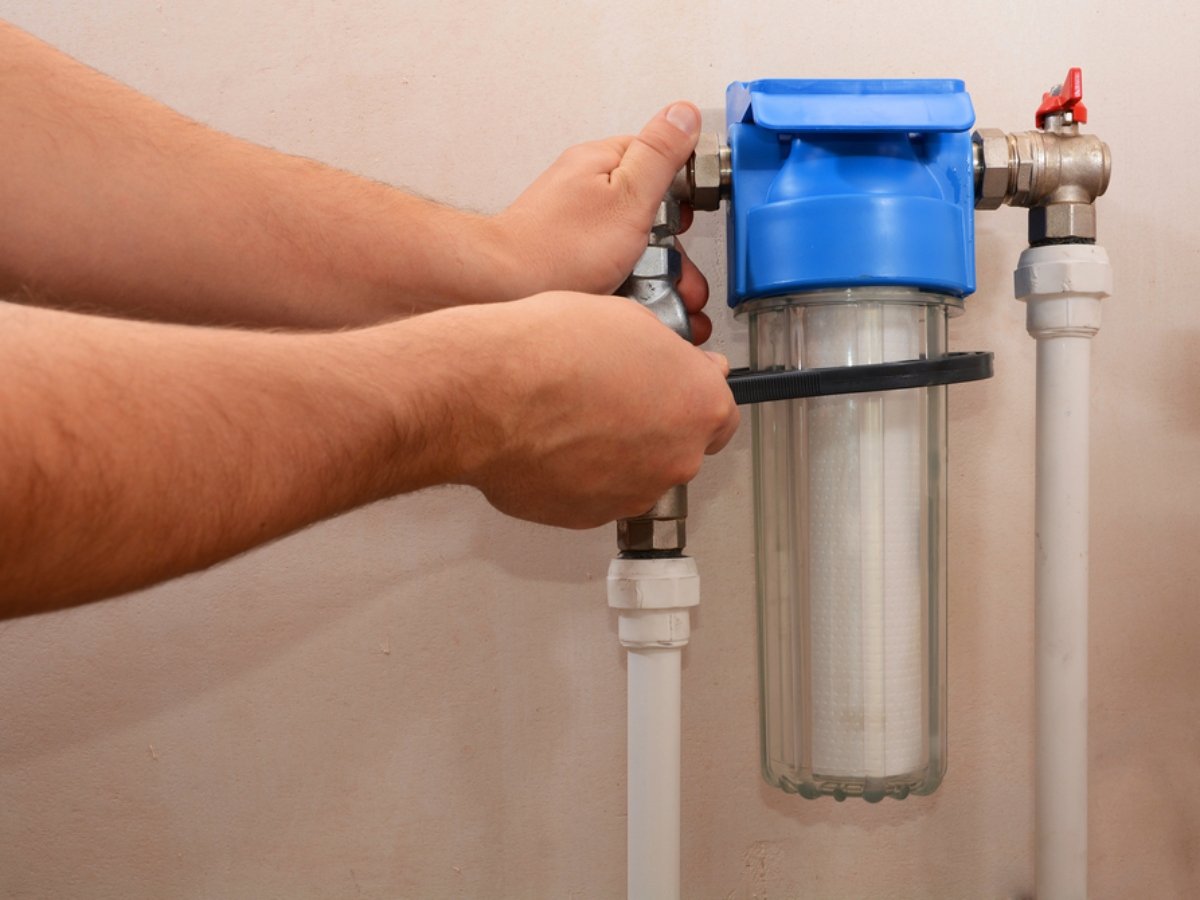
Filters are often the hardest-working part of a residential water system. They trap sediment, particles, and other unwanted material before the water reaches your fixtures or drinking glass.
The challenge is that filters don’t always look dirty from the outside. A cartridge can become increasingly clogged while appearing perfectly normal.
Following the manufacturer’s recommended schedule for filter changes is therefore important. The exact timing depends on the type of filter, water quality, household usage, and the specific equipment.
A busy household with several people using water throughout the day may go through filters much faster than a single-person home. If your water contains a lot of sediment, replacement may also be needed sooner.
And don’t forget to check the installation instructions. A filter installed incorrectly may not provide the performance you expect.
Don’t Ignore Water Softeners
Hard water is common in many areas, and it can leave behind mineral deposits that build up on faucets, showerheads, appliances, and plumbing fixtures.
A water softener can help reduce those problems, but it isn’t completely maintenance-free.
Salt-based systems need an appropriate supply of salt and should be checked periodically. Salt bridges, buildup, incorrect settings, or mechanical issues can interfere with normal operation.
If you suddenly notice more scale on fixtures or your water feels different after months of being consistent, the softener may deserve a closer look.
Sometimes the solution is simple. Other times, a technician needs to inspect the system. Either way, catching the issue early is usually easier than dealing with a completely neglected unit.
Keep an Eye on Reverse Osmosis Systems
Reverse osmosis systems are popular for drinking water because they use several stages of filtration to improve water quality. But the system relies on multiple components working together.
Pre-filters, membranes, post-filters, storage tanks, and fittings all have their own maintenance requirements.
If production slows down dramatically, the taste changes, or the system starts making unusual noises, don’t automatically assume the membrane needs replacing. Several different issues can create similar symptoms.
A proper inspection can help identify the actual cause rather than replacing parts unnecessarily.
Know Your Water Treatment Needs
Not every household needs the same type of treatment. Someone dealing with hard water may need a softener, while another home might be more concerned about sediment, iron, unpleasant taste, or other water-quality concerns.
Understanding your water treatment needs is therefore a better starting point than simply buying the most complicated system available.
If you’re unsure what’s actually in your water, testing can provide useful information. A professional water test can help identify specific concerns and guide decisions about filtration or purification.
There’s little point spending money on equipment designed to solve a problem your home doesn’t have.
Check for Leaks and Loose Connections
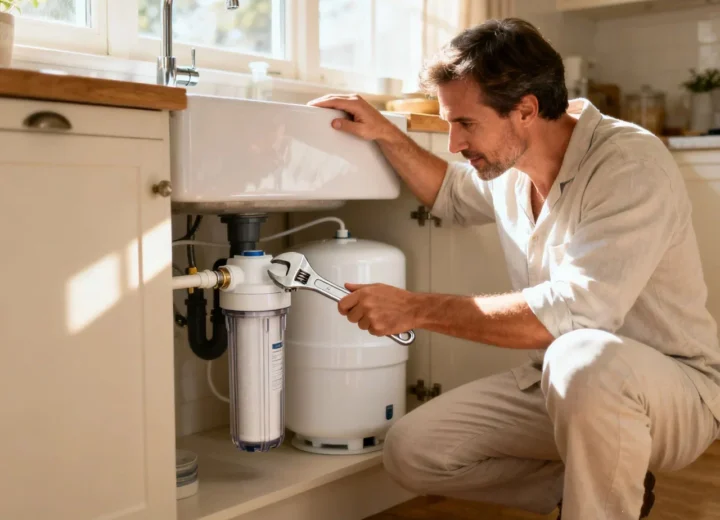
Every few months, take a quick look around your treatment equipment.
Check tubing, valves, fittings, tanks, and the floor beneath the system. Even a small drip shouldn’t be ignored. A tiny leak can slowly damage cabinetry, flooring, drywall, or other nearby materials.
Listen, too. Unusual cycling, humming, dripping, or constant water movement can sometimes indicate that something isn’t operating normally.
You don’t need to dismantle anything. A simple visual inspection is enough to catch many obvious warning signs.
Professional Service Still Has Its Place
DIY care is useful, but it doesn’t replace professional inspection when something seems wrong.
A qualified technician can check pressure, connections, valves, filters, membranes, settings, and other components that aren’t always obvious to a homeowner.
Professional service can be particularly helpful when you’ve moved into a new house, installed a new treatment system, noticed recurring problems, or aren’t sure when the equipment was last serviced.
Good maintenance isn’t about constantly worrying about your water system. It’s about knowing that someone is keeping an eye on the important parts.
Make Maintenance Easy to Remember
The biggest mistake homeowners make is simply forgetting.
Write down filter replacement dates. Keep the manufacturer’s instructions somewhere accessible. Add reminders to your phone or calendar. If your system requires annual servicing, schedule it before the year gets away from you.
It sounds almost too simple, but these little habits work.
A neglected system can quietly become less efficient for months before anyone realizes there is a problem. A reminder takes less than a minute.
A Little Attention Goes a Long Way
Water treatment equipment isn’t usually the star of the home. It works quietly in the background, doing a job most of us take for granted.
That’s exactly why routine care matters.
Pay attention to changes in taste, smell, pressure, and appearance. Replace consumable components according to the manufacturer’s guidance. Check for leaks. Keep track of service dates, and bring in a professional when a problem goes beyond basic upkeep.
You don’t need to obsess over your water system. Just don’t forget about it completely. A little attention at the right time can help your equipment perform reliably, protect your plumbing, and give you one less household problem to worry about.

Admin
A contributor to the Blogistra editorial desk, covering ideas, industries and modern life.
More from this author