Water is one of those everyday things that quietly shapes our routines. We use it before breakfast, throughout the workday, while cooking dinner, and again before going to bed. Most of the time, we barely give it a thought. Then one day the water tastes a little strange, smells different, or simply doesn’t seem as pleasant as it used to.
That’s usually when people start looking at filters.
The trouble is, the world of water treatment can get confusing rather quickly. There are pitchers, faucet filters, whole-home systems, reverse osmosis units, softeners, UV systems, and countless products with impressive-looking labels. Choosing between them can feel like shopping for a car when all you really wanted was a smoother ride.
The good news is that understanding the basics makes the decision easier. Different water treatment methods are designed to do different jobs, and one of the most widely used approaches involves activated carbon.
Why Water Taste and Odor Can Change
A change in water doesn’t always mean something serious is happening, but it can be worth investigating.
Municipal water may contain disinfectants used as part of the treatment process. Private well water can have its own characteristics depending on local geology, groundwater conditions, plumbing, and the surrounding environment.
Sometimes the issue is obvious. There may be an unusual smell or a noticeable taste. Other times, the concern is simply that the water isn’t very enjoyable to drink.
This is where understanding your water source becomes useful.
Before spending money on treatment equipment, it helps to identify what you’re trying to improve. Are you dealing with sediment? Hardness? A chlorine-like taste? An unpleasant odor? Or are you simply looking for a better drinking water experience?
The answer can point you toward the right technology.
How Carbon Filtration Works
Among the many treatment options available, carbon filtration is one of the most familiar.
Activated carbon has a porous structure with a large surface area. As water passes through the material, certain compounds can be attracted to and retained within the carbon. This process can help reduce substances that affect taste and odor, depending on the specific filter and the characteristics of the incoming water.
Not all carbon filters are identical, though.
The type of carbon, the amount used, water flow rate, contact time, and the design of the filter can all influence performance. A small pitcher filter and a large whole-home carbon system may use similar principles while serving very different purposes.
That’s an important distinction.
A product should be chosen based on what it is specifically designed and tested to address, rather than simply because it contains activated carbon.
The Role of De-Chlorination in Better-Tasting Water
For many people connected to a municipal water supply, chlorine-related taste or odor can be one of the main reasons they consider a filtration system.
Water utilities may use disinfectants to help control microorganisms in public water systems. By the time the water reaches a home, some people may notice the characteristic smell or taste.
A properly selected carbon treatment system may support de-chlorination, depending on the type of disinfectant present and the specifications of the equipment.
This can make a noticeable difference in everyday activities.
A glass of water may taste more pleasant. Coffee and tea can have a different flavor. Even cooking may feel a little more enjoyable when you’re happy with the water you’re using.
Of course, treatment should always be chosen with an understanding of the water source. If a home has a private well, the concerns may be completely different from those associated with a municipally supplied property.
One system doesn’t automatically fit both situations.
Not Every Filter Solves Every Problem
This is probably the most important thing to remember when shopping for water treatment.
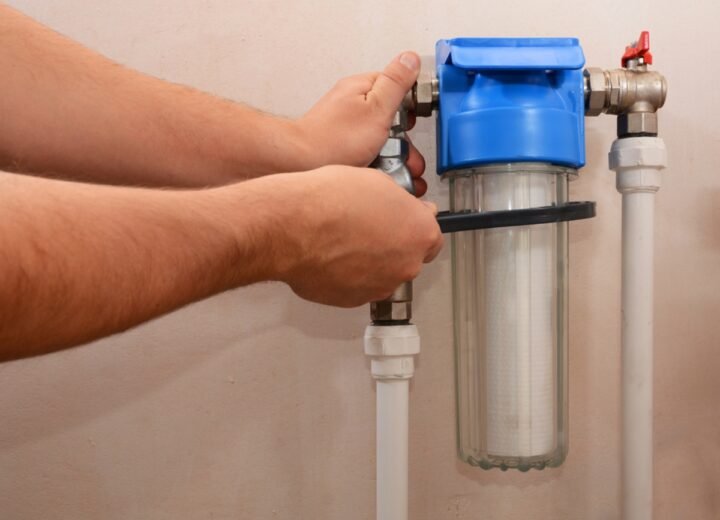
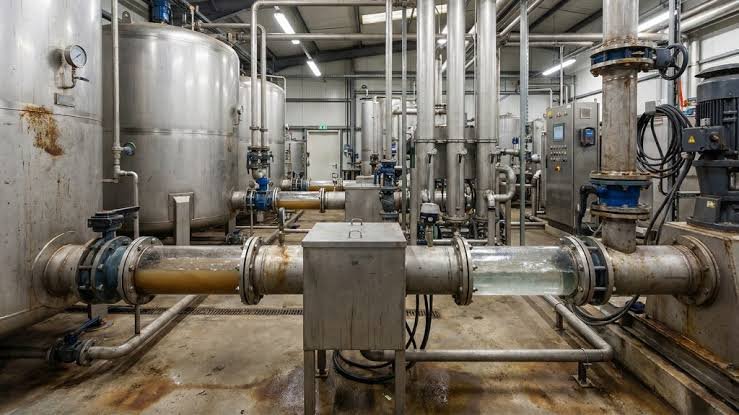
A sediment filter is designed primarily to capture particles. A water softener is intended to address hardness minerals. Reverse osmosis uses membrane technology to reduce a range of dissolved substances, depending on the system. UV treatment is used for particular microbiological applications.
Carbon has its own strengths.
The mistake is assuming that a filter capable of improving taste will automatically address every possible water concern.
It won’t.
If your water contains several issues, multiple treatment stages may be needed. A home with sediment, hardness, and unpleasant drinking water might use different technologies for each concern.
That isn’t overcomplicating the process. It’s simply matching the treatment method to the problem.
A water test can be especially useful when there is uncertainty about what is actually present in the water.
Choosing Between Different Water Purifiers
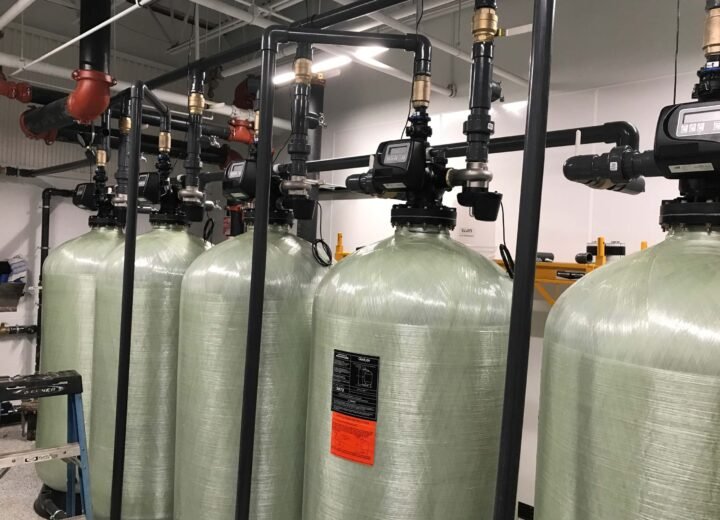
The phrase water purifiers covers a wide range of products, from small countertop units to larger systems installed beneath sinks or near the main water supply.
The best choice depends on how and where you want to treat the water.
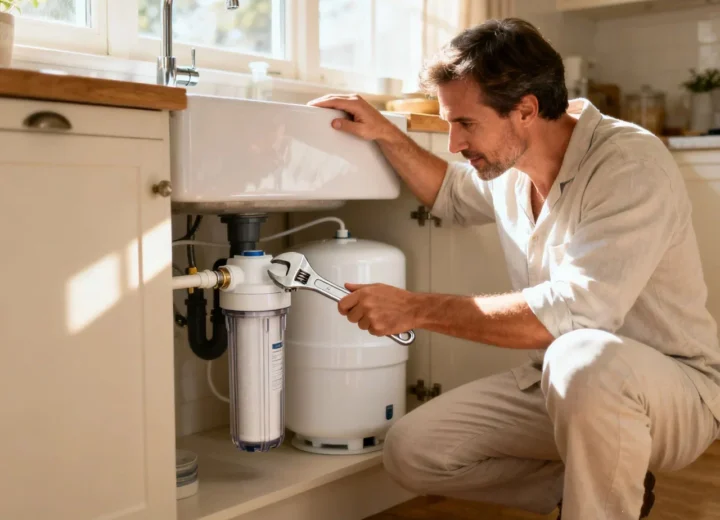
A point-of-use system can focus on water used for drinking and cooking. These are often installed beneath a kitchen sink or connected to a dedicated faucet.
Whole-home treatment, on the other hand, processes water before it travels through much of the plumbing system. This may be useful when the concern affects showers, appliances, laundry, or other household uses.
There are also combination systems that use more than one technology.
For example, a household might use sediment filtration to protect downstream equipment, followed by carbon treatment for taste and odor concerns. A separate drinking water system may then provide additional treatment at the kitchen sink.
The right setup depends on the actual water conditions and the household’s goals.
Why Water Testing Can Save Money
Buying water treatment equipment without understanding the water is a bit like buying prescription glasses without checking your eyesight.
You might end up with something, but there’s no guarantee it will solve the problem.
Testing can help identify characteristics such as hardness, pH, iron, sediment, dissolved substances, or other concerns relevant to the water source.
A homeowner using a private well may have different testing needs from someone receiving municipal water. Changes in taste, odor, appearance, flooding, or damage to a well can also create reasons to investigate further.
Once you know what is happening, the shopping process becomes much more focused.
Instead of comparing every product on the market, you can narrow your choices to systems designed for your specific concerns.
That can save both money and frustration.
Maintenance Is Where Good Systems Earn Their Keep
Installing a water filter is not the final chapter.
Filters gradually become loaded with the substances they are designed to capture. Carbon has a limited capacity. Sediment cartridges need replacement. Other components may require periodic inspection or servicing.
Ignoring maintenance can affect water flow and overall performance.
Before purchasing a system, ask some practical questions. How often will filters need to be changed? Are replacement cartridges easy to find? What do they cost? Can you perform the maintenance yourself?
These details may seem less exciting than product features, but they often matter more over the long run.
A simple system that is easy to maintain can be a better choice than a complicated setup that becomes a headache after six months.
Whole-Home or Point-of-Use: Finding the Right Fit
There isn’t one correct answer for every household.
If the main concern is drinking water, a point-of-use system may be enough. If taste and odor affect showers, cooking, laundry, and other daily activities, a larger treatment system may make more sense.
Household size also matters.
A single person living in a small apartment has very different water needs than a busy family with several bathrooms and a constantly running dishwasher.
Water usage, plumbing layout, available installation space, and maintenance preferences should all be considered before choosing equipment.
It can also be helpful to think about future needs. A family planning to stay in the same home for many years may value a durable, serviceable system more than a temporary solution.
Better Water Should Feel Like an Everyday Convenience
At the end of the day, most people aren’t looking to become water treatment experts.
They simply want to turn on the tap and enjoy the water.
Good treatment technology should fit naturally into everyday life. It should make filling a glass easier, not create a new maintenance project every weekend. The right system quietly does its job while the household gets on with everything else.
That might mean a simple carbon filter for improving taste and odor. It could mean a multi-stage system for a home with several identified concerns. For some properties, a combination of technologies makes the most sense.
The key is not to chase the biggest system or the fanciest product.
Start by understanding your water. Identify what you want to improve. Choose technology designed for that purpose, and make sure the system can realistically be maintained.
Because better water isn’t always about adding more equipment. Sometimes it’s about choosing the right equipment, maintaining it properly, and then forgetting it’s even there.

Admin
A contributor to the Blogistra editorial desk, covering ideas, industries and modern life.
More from this author