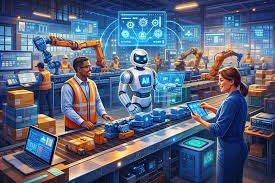
Technology has become the backbone of modern business operations, but adding more tools does not automatically create a better technology environment. Without proper planning, applications, networks, security systems, communications platforms, and physical infrastructure can operate in isolation, creating inefficiencies and unnecessary complexity. Technology systems integration brings these components together so they can work as a coordinated, scalable environment.
For organizations planning a new facility, upgrading aging infrastructure, or preparing for long-term growth, integration is increasingly becoming a strategic priority. The goal is not simply to connect systems. It is to create an infrastructure foundation that improves reliability, supports employees, protects critical assets, and adapts as business requirements change.
What Is Technology Systems Integration?
Technology systems integration is the process of designing, connecting, deploying, and managing multiple technology systems so they function together effectively. Instead of treating each technology as a separate investment, integration considers how the systems interact across an organization.
Depending on the business and facility, an integrated environment may include:
- IT infrastructure and structured cabling
- Data center systems
- Audio and visual technology
- Wireless and communications networks
- Physical security systems
- Radio frequency and cellular solutions
- Building technology
- Electrical and utility infrastructure
- Managed technology services
The value comes from the relationship between these systems. A reliable network, for example, can support communications, security, connected devices, collaboration tools, and operational applications simultaneously.
This systems-based approach can also simplify troubleshooting and future upgrades because technology decisions are made with the wider infrastructure in mind.
Why Integration Matters More Than Ever
Businesses are operating in environments where technology changes quickly. Cloud applications, connected devices, hybrid work models, cybersecurity requirements, intelligent buildings, and data-intensive operations are influencing how organizations design their infrastructure.
A disconnected approach can make these changes harder to manage. Organizations may end up with overlapping technologies, incompatible platforms, excessive maintenance requirements, or infrastructure that cannot accommodate future demands.
Technology systems integration addresses these challenges by creating a more coordinated architecture.
The benefits can include:
- Greater operational reliability
Systems designed to work together can reduce points of failure and improve overall performance. - Simplified management
Integrated infrastructure makes it easier for IT and facilities teams to monitor, maintain, and troubleshoot technology. - Improved scalability
A properly planned system can accommodate additional users, devices, locations, and applications without requiring a complete redesign. - Better resource utilization
Integration can help organizations avoid unnecessary duplication and make more strategic use of existing infrastructure. - Stronger long-term value
Designing for future requirements can extend the useful life of technology investments.
How Technology Systems Integration Supports Business Growth
Growth often exposes weaknesses that were previously easy to overlook. An organization may add employees, expand to another location, renovate its headquarters, introduce new security requirements, or deploy more connected devices.
If infrastructure was not designed with expansion in mind, every change can become a separate project.
An integrated approach starts by asking a broader question: What does the organization need its technology environment to accomplish over the next several years?
That perspective changes how infrastructure decisions are made. Instead of selecting equipment based only on today’s requirements, businesses can consider capacity, compatibility, interoperability, maintenance, security, and upgrade paths.
For example, a new office may require more than basic network connectivity. Meeting rooms may need integrated audiovisual systems. Employees may depend on wireless connectivity throughout the facility. Security teams may require surveillance and access control. Cellular coverage may need to be improved in areas where signals are weak.
When these requirements are considered together, the result can be more cohesive than installing each system independently.
Key Components of an Integrated Technology Environment
Successful integration depends on understanding the infrastructure underneath the technology.
IT Infrastructure
Reliable IT infrastructure provides the foundation for business applications and connected systems. Structured cabling, network infrastructure, data centers, and related components need to be designed around performance, availability, and future capacity.
Communications Technology
Organizations increasingly depend on reliable communication across offices, facilities, and teams. Wireless networks, cellular enhancement, radio frequency systems, and other communications technologies can help maintain connectivity where it matters most.
Audio Visual Systems
Modern workplaces use audiovisual technology for collaboration, training, presentations, digital communication, and customer experiences. Integrating these systems with network and facility infrastructure can make deployment and ongoing management more efficient.
Security Technology
Security infrastructure may include surveillance, access control, communications, and other technologies designed to protect people and property. Integration allows these systems to become part of a broader technology strategy rather than isolated installations.
Electrical and Utility Infrastructure
Technology cannot perform reliably without appropriate physical infrastructure. Electrical and utility construction can play a critical role in supporting communications, data, security, and other technology systems across demanding environments.
Building a Better Technology Integration Strategy
Technology systems integration should begin well before installation. Organizations can improve project outcomes by following a structured process.
1. Assess the Existing Environment
Start by documenting current infrastructure, technology assets, limitations, and recurring problems. Understanding what already exists helps identify which systems should be retained, upgraded, replaced, or integrated.
2. Define Business Requirements
Technology should support measurable operational objectives. Determine what the organization needs to improve, whether that means reducing downtime, improving connectivity, strengthening security, supporting collaboration, or preparing for expansion.
3. Plan for Interoperability
Compatibility should be considered before purchasing new technology. Systems that cannot communicate effectively can create unnecessary complexity and increase long-term operating costs.
4. Design for Future Capacity
Avoid designing infrastructure around the minimum requirement. Additional users, devices, bandwidth, locations, and applications should be considered during the planning stage.
5. Coordinate Installation
Integration becomes much more effective when different infrastructure requirements are coordinated. Network, communications, security, electrical, and audiovisual installations can affect one another, making project coordination essential.
6. Establish Ongoing Management
Technology infrastructure requires attention after deployment. Monitoring, maintenance, documentation, and managed services can help organizations preserve system performance and identify problems before they become significant disruptions.
Common Technology Integration Mistakes
Even organizations with strong IT teams can encounter challenges when infrastructure projects are approached as isolated purchases.
One common mistake is focusing too heavily on individual products rather than the overall system architecture. A high-quality device cannot compensate for poorly planned connectivity, insufficient capacity, or incompatible infrastructure.
Another issue is failing to involve relevant stakeholders early. IT, facilities, security, operations, and leadership may have different requirements. Bringing those perspectives together during planning can prevent costly changes later.
Businesses should also avoid treating integration as a one-time event. Technology environments evolve continuously, so infrastructure should be designed with maintenance and future upgrades in mind.
Choosing the Right Integration Partner
The complexity of modern infrastructure makes expertise particularly important. Businesses should look beyond installation capabilities and evaluate whether a technology partner can understand the organization’s broader operational requirements.
Important factors include:
- Experience across multiple technology disciplines
- Strong project management capabilities
- Knowledge of infrastructure design and deployment
- Ability to coordinate complex installations
- Understanding of scalability and future requirements
- Ongoing support and managed services
- A commitment to reliability and quality
A capable integration partner should also be willing to understand the organization’s goals before recommending a solution. The strongest projects begin with consultation rather than assumptions.
The Future of Integrated Technology Infrastructure
The future of business infrastructure will be increasingly connected. Organizations will continue adopting cloud services, connected devices, intelligent building technologies, advanced communications, security platforms, and data-driven applications.
This does not mean businesses need to replace their entire technology environment every few years. Instead, they need infrastructure that can evolve.
Future-ready design emphasizes adaptability. Systems should provide the performance organizations need today while creating a practical foundation for tomorrow. This approach can help businesses respond to changing technology without repeatedly rebuilding their infrastructure from the ground up.
The most effective integration strategies therefore balance current performance with long-term flexibility.
Turning Infrastructure Into a Strategic Advantage
Technology infrastructure is no longer simply a technical concern. It influences employee productivity, customer experiences, operational continuity, security, communication, and the ability to introduce new capabilities.
Technology systems integration provides a framework for bringing these priorities together. By connecting infrastructure, communications, security, audiovisual technology, electrical systems, and ongoing management into a coordinated strategy, organizations can create technology environments that are easier to operate and better prepared for change.
For businesses seeking a partner capable of combining infrastructure expertise with forward-looking system design, Instrata offers integrated technology solutions spanning IT infrastructure, communications, security, electrical and utility construction, and managed services. Its approach focuses on building reliable systems that support present requirements while remaining adaptable for future needs.
The objective is ultimately straightforward: technology should make the business more capable, not more complicated. With thoughtful integration, organizations can build an infrastructure foundation that supports growth, improves reliability, and turns technology investment into lasting operational value.

Admin
A contributor to the Blogistra editorial desk, covering ideas, industries and modern life.
More from this author