There are some things about a home you notice immediately. A room can feel too hot, too cold, too dark, or too noisy. But the air inside a house is a little different. Most of the time, you only notice it when something feels off.
Maybe the bedroom feels stuffy by morning. Perhaps the basement has a damp smell that never quite goes away. During certain seasons, the air may feel dry enough to make the entire house uncomfortable. Then there are those days when dust seems to appear on every surface five minutes after cleaning.
The air inside a home is influenced by far more than the weather outside. Temperature, moisture, ventilation, household activities, filtration, and the condition of heating and cooling equipment all play a part. Creating a comfortable indoor environment isn’t about making everything perfect. Honestly, homes are lived in. People cook, shower, bring in dust, open doors, own pets, and occasionally burn dinner.
The goal is simply to understand what may be affecting your space and make practical improvements where they matter most.
When Humidity Makes a Home Feel Uncomfortable
Humidity is one of those things that can quietly change how a room feels without anyone immediately realizing why.
When indoor air contains too much moisture, a home may feel sticky or heavy. Windows may develop condensation, certain rooms can feel damp, and musty odors may become more noticeable. On the other hand, very dry conditions can make the air feel uncomfortable in a completely different way.
Good humidity control is about finding a reasonable balance rather than chasing one perfect number for every home and every season.
Bathrooms and kitchens naturally produce moisture, which is why proper ventilation in these spaces can be helpful. Exhaust fans should be used when appropriate and allowed to do their job instead of being switched off the moment someone leaves the room.
Persistent moisture, however, may point to something more than everyday household activity. Leaks, poor ventilation, drainage problems, or issues within the building itself may need attention.
Simply placing an air freshener in a damp room might make it smell nicer for a while, but it doesn’t solve the reason the room is damp in the first place.
Your HVAC System Does More Than Control Temperature
Heating and cooling equipment is often thought of as the part of the house that controls whether you’re comfortable in July or January.
But the system also plays a role in how air moves throughout the home.
Filters, vents, ducts, and regular maintenance can all affect airflow. A heavily clogged filter may make the equipment work harder and restrict the movement of air. Vents blocked by furniture, storage boxes, or even a strategically placed rug can also interfere with circulation.
Checking the basics is usually a sensible first step.
If one room consistently feels stale while the rest of the house seems fine, there may be an airflow issue worth investigating. The answer isn’t always expensive equipment. Sometimes it’s a blocked vent, a neglected filter, or something relatively simple that has gone unnoticed.
Of course, repeated problems deserve a closer look. A home shouldn’t feel like a collection of completely different climates from one room to another.
Understanding What Air Cleaners Can Do
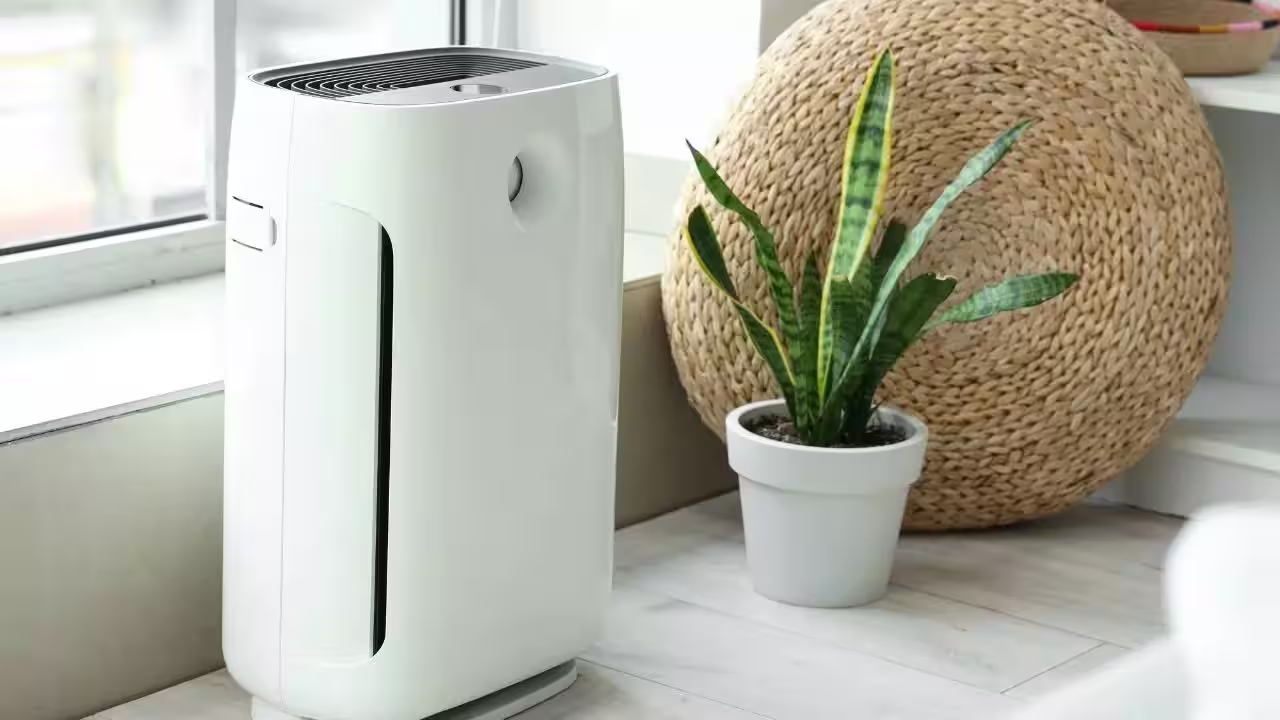
Many homeowners consider air cleaners when they want to reduce certain particles circulating inside their living spaces.
Different products use different methods, and that matters. Some are designed to capture airborne particles through filters, while other technologies operate differently. The usefulness of a particular unit depends on the size of the space, how it is used, what concern you are trying to address, and how the equipment is maintained.
A small device placed in a large open area, for example, may not have the same impact as equipment suited to that space. Likewise, buying something based only on impressive marketing claims can lead to disappointment.
Before choosing any equipment, it helps to ask a simple question: what problem am I actually trying to solve?
Is excessive dust the concern? Pet-related particles? Outdoor pollution entering the home? Lingering odors? Each situation may require a different approach.
There’s no point buying the biggest, fanciest machine available if a basic improvement in ventilation or filtration would address the actual issue.
The Everyday Habits That Affect Your Indoor Environment
The condition of indoor air isn’t determined only by HVAC equipment.
Daily life has a bigger influence than many people realize.
Cooking can release moisture and particles. Pets bring in dander and outdoor debris. Shoes can track dust through the house. Upholstered furniture, rugs, curtains, and bedding can all collect particles over time.
Regular cleaning can help reduce buildup, although nobody needs to spend every free hour chasing invisible dust around the living room.
Vacuuming, wiping surfaces, washing fabrics when appropriate, and keeping high-use areas reasonably clean can all contribute to a more comfortable environment. Using kitchen ventilation while cooking and bathroom exhaust fans after showers can also make a difference.
The best routine is usually the one you can actually maintain. An ambitious cleaning schedule that lasts three days before being forgotten isn’t nearly as useful as simple habits that become part of everyday life.
Don’t Forget About Fresh Air
Opening windows can sometimes be one of the simplest ways to refresh a home. On a pleasant day, a little outdoor airflow can make a room feel completely different.
But it isn’t always practical.
Depending on where you live, outdoor air may contain dust, pollen, smoke, traffic pollution, or excessive humidity. Weather can also make open windows uncomfortable or expensive when heating or cooling equipment is running.
That’s why ventilation should be approached with a little common sense.
Fresh air is valuable, but the best strategy depends on outdoor conditions and the particular needs of the home. Mechanical ventilation and properly maintained heating and cooling systems can help manage airflow when opening a window isn’t the best option.
Sometimes the answer is simple. Sometimes it needs a bit more thought.
Creating Cleaner Indoor Air Without Overcomplicating Things
The idea of cleaner indoor air can sound like a complicated project involving expensive gadgets, sensors, and enough equipment to make your home look like a science lab.
Usually, it doesn’t have to be that dramatic.
Start with the basics. Check HVAC filters and replace or clean them according to the equipment’s guidance. Keep vents clear. Use appropriate ventilation when cooking or showering. Address obvious moisture problems instead of covering them up.
Pay attention to recurring odors, excessive dust, uneven airflow, or rooms that consistently feel damp or stale. These observations can help identify where improvement is needed.
If a problem continues despite basic maintenance, professional advice may be useful. Persistent moisture, significant airflow issues, or concerns about heating and cooling equipment may require a closer inspection.
The important thing is to understand the cause before spending money on a solution.
Small Changes Can Add Up Over Time
Home improvement often gets presented as an all-or-nothing project. Either replace everything or do nothing.
Real life usually works differently.
A new filter may improve airflow. Using an exhaust fan more consistently can reduce moisture. Sealing a noticeable draft might make one room more comfortable. Cleaning a neglected vent or adjusting furniture can sometimes have a surprisingly noticeable effect.
None of these things will transform every home overnight. But several small improvements, repeated consistently, can add up.
It’s a little like keeping the house organized. One quick cleanup may help, but the real difference comes from developing habits that prevent everything from getting out of control in the first place.
A Comfortable Home Should Feel Easy to Live In
The best indoor environment isn’t necessarily one filled with the latest technology. It’s one that feels comfortable, fresh, and suited to the people living there.
Pay attention to how different rooms feel throughout the day. Notice when humidity changes, when odors linger, or when airflow seems weaker than usual. Take care of the simple maintenance tasks, and don’t ignore problems that keep returning.
Your home is a living space, not a showroom. It will never be completely free of dust, moisture, or the occasional mystery smell.
And that’s fine.
The goal is simply to create a space where the air feels comfortable enough that you barely think about it at all. When the temperature feels right, the rooms feel fresh, and the air moves the way it should, you’ve achieved something far more valuable than a perfectly controlled house.
You’ve created a home that simply feels good to live in.