Most people don’t spend much time thinking about the water in their home. It comes out of the tap, fills the washing machine, runs through the shower, and disappears down the drain. Simple enough.
Then one day, something changes.
Maybe your morning coffee tastes slightly odd. Perhaps white marks keep appearing on the shower glass, no matter how often you clean it. Or maybe you’ve started wondering whether the water used for drinking, cooking, and bathing could be improved.
That’s usually how the search begins.
The world of water treatment can seem surprisingly complicated at first. There are filters, softeners, purification systems, membranes, cartridges, tanks, and a whole collection of technical terms that can make a simple decision feel like homework. But it doesn’t have to be that difficult.
The best starting point is understanding what you actually want to improve. Different water concerns require different solutions, and choosing the right system is often less about buying the fanciest equipment and more about solving a real problem.
Start by Paying Attention to the Signs
Water can tell you quite a bit if you pay attention.
A strange taste might appear when drinking from a particular faucet. Cloudy glasses from the dishwasher may suggest mineral deposits. Low water pressure could be related to sediment or plumbing issues. Sometimes clothes feel stiff after washing, while in other homes, the main complaint is simply that the water doesn’t taste very good.
These signs don’t automatically point to one specific cause. That’s where testing can be helpful.
A proper water test can identify certain characteristics in the water and provide a clearer picture of what may need attention. Guesswork is common, especially when homeowners see advertisements promising to solve every possible water problem with one device. In reality, water treatment works best when the solution matches the condition.
For example, a system designed to improve drinking water may not solve mineral buildup throughout the entire house. Likewise, equipment that addresses hard water may not be intended to treat every possible contaminant.
Knowing the difference can save money—and probably a few headaches too.
A Simple Option for Better Kitchen Water
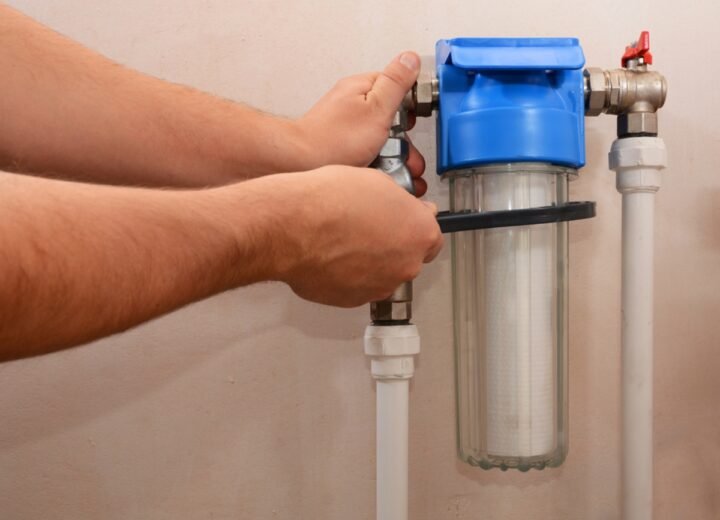
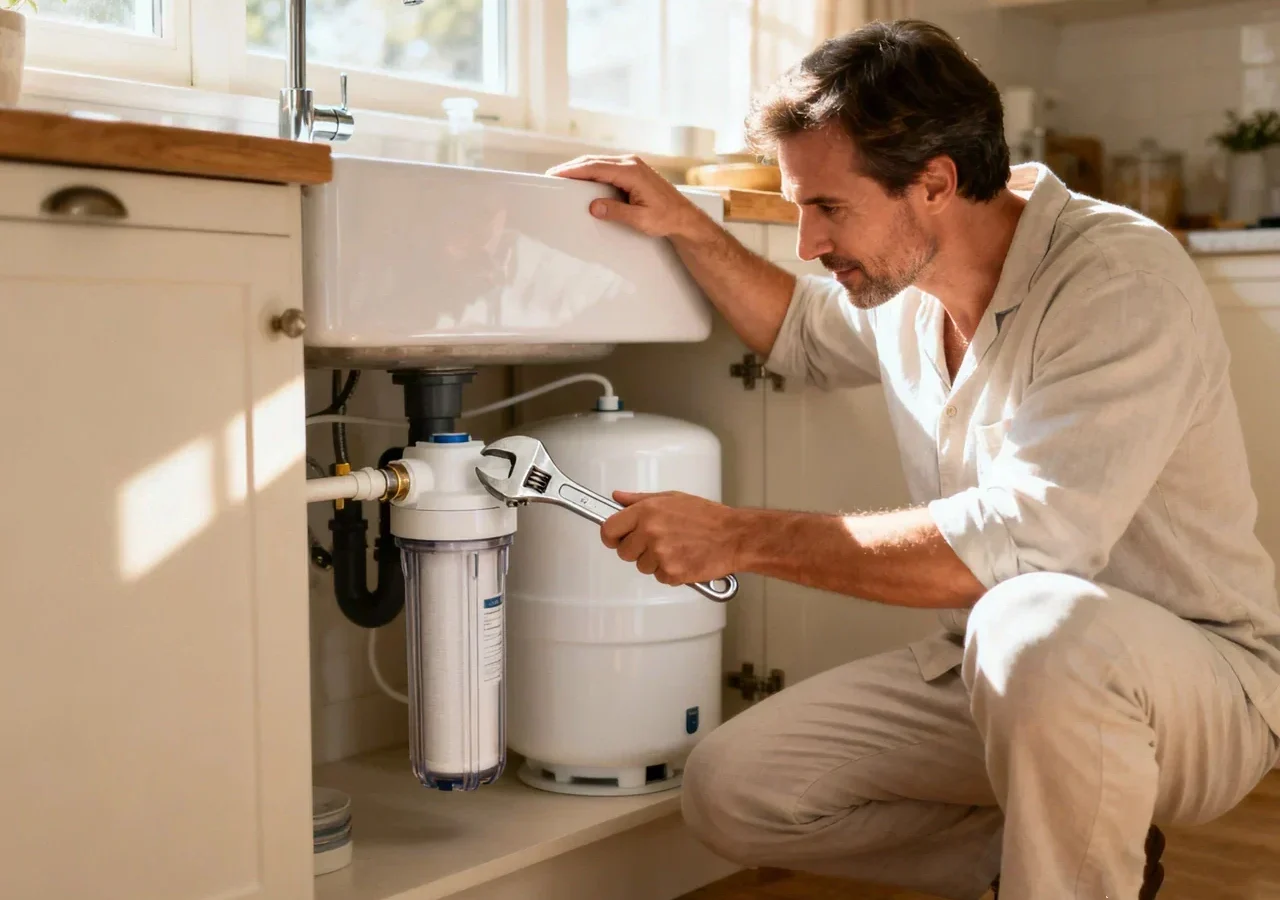
For homeowners mainly concerned about the water they drink and cook with, Under-sink filters can be a practical option.
As the name suggests, these systems are usually installed beneath the kitchen sink. Depending on the design and filter media, they can address specific water concerns while keeping the equipment mostly out of sight.
One of the biggest advantages is convenience. Instead of treating every drop of water used for showers, laundry, and cleaning, the system focuses on a location where high-quality water may matter most: the kitchen.
This approach can work particularly well for households that are generally happy with their water but want an improvement in taste, odor, or other characteristics at the drinking tap.
There are many types available, though, and they aren’t all the same. Some use carbon filtration, while others may combine multiple stages. Replacement schedules also vary.
That’s something worth checking before installation. A filter is only useful when it is maintained properly. Forgetting to change cartridges for years is a bit like buying a vacuum cleaner and never emptying it. Eventually, performance suffers.
When Minerals Create Everyday Frustration
Some water problems make themselves known all over the house.
You may see chalky deposits around faucets, notice spots on dishes, or find that soap doesn’t seem to rinse as easily as it should. These issues are often associated with hard water, which contains higher levels of minerals such as calcium and magnesium.
While hard water isn’t always considered a health concern, it can be a nuisance. Mineral deposits may accumulate inside appliances, on fixtures, and in plumbing components over time.
That’s where Water softeners may be useful.
These systems are designed to reduce the effects of hardness minerals, helping minimize scale buildup and improve how water behaves in everyday use. Some homeowners notice that cleaning becomes easier, laundry feels softer, and fixtures require less frequent scrubbing.
Appliances can benefit as well. Water heaters, dishwashers, and other equipment that regularly use water may operate more efficiently when excessive mineral buildup is reduced.
Of course, the right system size matters. A large household with several bathrooms has different water demands than a small apartment with one or two residents. Before choosing a softener, it’s worth considering water hardness levels, household usage, and the available installation space.
A professional assessment can help take some of the guesswork out of the process.
Purification Is a Different Conversation
Filtration and purification are often used as if they mean exactly the same thing, but different technologies can serve different purposes.
In situations where microbial concerns need to be addressed, UV purification systems may be considered. These systems use ultraviolet light as part of a water treatment process to inactivate certain microorganisms.
UV treatment can be particularly relevant in some private water supplies or other situations where microbial quality is a concern. However, UV technology is not a catch-all solution. It doesn’t automatically remove sediment, dissolved minerals, or every other substance that may be present in water.
That’s why pre-treatment can sometimes be important. Water that contains significant sediment or cloudiness may interfere with the effectiveness of certain treatment approaches. The overall system should be designed with the water conditions in mind.
A good water treatment plan often uses more than one technology when there are multiple concerns. For example, sediment filtration might be used before another treatment stage, depending on the needs of the property.
The important thing is understanding what each part of the system is supposed to do.
Think About the Whole Home, Not Just the Tap
The kitchen gets most of the attention when people talk about water quality, but your household uses water everywhere.
You shower in it. Your washing machine depends on it. The dishwasher sprays it across plates and glasses. Your water heater works with it every day.
If a problem affects the entire home, treating only one faucet may not make much sense.
A whole-home treatment setup can be designed to address concerns at the point where water enters the property. Depending on the water conditions, this might involve sediment filtration, softening, carbon treatment, or another appropriate technology.
Some households choose a combination approach: one system for general household water and a separate treatment system for drinking and cooking.
There isn’t one perfect arrangement for everyone. The best setup depends on the source of the water, the results of testing, the size of the household, and what the homeowner actually wants to improve.
Maintenance Is Part of the Deal
This is the part nobody gets particularly excited about, but it matters.
Water treatment systems aren’t usually install-and-forget devices. Filters need replacement. Some systems require periodic servicing, cleaning, salt, lamps, or other maintenance depending on the technology.
Before purchasing anything, ask how often maintenance is required and what replacement parts cost. A low-priced system can become expensive if cartridges are difficult to find or need frequent replacement.
It’s also helpful to think ahead. Is there enough space for the equipment? Will you remember to service it? Is professional maintenance available if something goes wrong?
These practical questions can make a big difference in how satisfied you are months or years after installation.
Better Water Starts With a Better Understanding
Choosing a water treatment system doesn’t need to be stressful. Start with the basics.
Pay attention to recurring problems. Test the water when appropriate. Understand what the results mean. Then choose equipment designed to address those specific concerns.
Maybe a simple kitchen filter is all you need. Perhaps hard water is the bigger issue, or maybe a more specialized purification approach makes sense for your water source.
The goal isn’t to fill your home with unnecessary equipment. It’s to create a water solution that quietly does its job.
At the end of the day, better water should make everyday life a little easier. Fewer stubborn stains. Better-tasting drinks. Less scale around fixtures. More confidence when you fill a glass or step into the shower.
And really, that’s the beauty of a good system: once it’s working properly, you probably won’t think about it much at all. The water simply becomes one less thing to worry about.

Admin
A contributor to the Blogistra editorial desk, covering ideas, industries and modern life.
More from this author