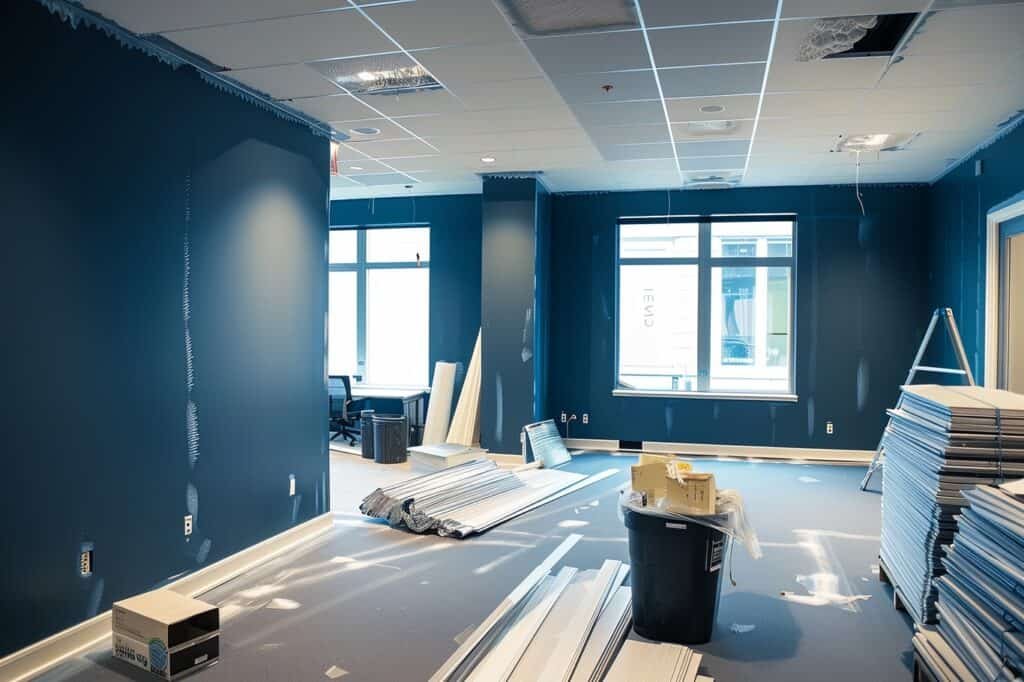
There’s a point during almost every big property project when the amount of stuff becomes impossible to ignore. A few old desks turn into an entire room of furniture. A simple repair uncovers damaged flooring. A vacant unit needs clearing, and suddenly there are boxes, cabinets, fixtures, and miscellaneous debris everywhere.
Waste is often one of those details people think about last. Yet it can affect how quickly the entire project moves. When debris has nowhere to go, it gets stacked in hallways, corners, loading areas, or outside the building. Not exactly the picture of an organized workplace.
A dumpster gives the project some breathing room. It creates one designated location for unwanted materials and reduces the need for constant trips to disposal facilities. For businesses and property owners, that simple change can make a surprisingly big difference.
Why Office Cleanouts Deserve a Real Plan
Office furniture is bulky. That’s the first problem.
Desks, chairs, filing cabinets, shelving, partitions, carpets, and old equipment can take up far more space than expected. Even when individual items aren’t particularly heavy, their combined volume adds up quickly.
During office cleanouts, it’s useful to separate materials into categories before throwing everything away. Some furniture may be reusable. Electronics might need specialized recycling. Important documents may require secure destruction.
Once those decisions are made, a dumpster can handle the ordinary waste that remains.
Working room by room is often easier than trying to clear the entire building in one go. It also lets employees or contractors keep track of what is being removed without creating a massive pile in the middle of the property.
Property Management Often Means Dealing With Unexpected Waste
For property managers, cleanup isn’t always scheduled neatly.
A tenant moves out unexpectedly. An apartment needs preparation before a new renter arrives. A commercial unit has been vacant for months and contains more abandoned belongings than anyone expected.
This is where property management and waste planning often overlap.
Having access to a dependable dumpster can help managers respond quickly when a property needs to be cleared. Instead of waiting for multiple disposal appointments, a container can provide a temporary collection point while maintenance teams work through the space.
It’s also helpful to keep a basic list of local disposal requirements and reliable rental providers. When an urgent cleanout happens, you don’t want to start researching everything from scratch.
Renovations Create More Debris Than Most People Expect
A renovation can look fairly simple when you’re discussing it over coffee.
Replace the flooring. Paint the walls. Update the cabinets.
Then the work begins.
Old materials have to come out before new ones can go in. Flooring, drywall, cabinets, trim, fixtures, packaging, and damaged materials can quickly turn a clean room into a demolition zone.
For renovation projects, arranging a dumpster before demolition starts can prevent waste from spreading throughout the property.
It also reduces the amount of material that has to be moved twice. Instead of creating a debris pile in one part of the building and hauling it away later, workers can place unwanted material directly into the container.
That saves time, and on a busy project, time is money.
Choosing the Right Dumpster Size
Getting the size right isn’t always as simple as it sounds.
Dumpsters are generally measured in cubic yards, with different capacities designed for everything from small cleanouts to major construction work.
Think about the complete project rather than the first day’s debris. A small amount of demolition waste can become a large volume once cabinets, flooring, drywall, furniture, and packaging are added.
Bulky items deserve special attention. A few large desks or old cabinets can consume a surprising amount of space.
If you’re uncertain, describe the project to the rental provider. Tell them the type of property, the materials involved, and approximately how much work is being done. Their experience can help you choose a container that isn’t unnecessarily large or frustratingly small.
Weight Matters, Too
Volume isn’t the only factor.
A dumpster full of cardboard and office furniture may be relatively light. A smaller load containing concrete, brick, soil, or roofing materials can become extremely heavy.
Before renting, ask about weight allowances and additional charges. If your project involves dense materials, mention that when booking.
Understanding weight restrictions early can help you avoid unexpected fees and, more importantly, prevent unsafe loading.
Prepare the Delivery Location
The best dumpster in the world won’t help if the delivery truck can’t reach the property.
Before delivery, check the planned location for parked cars, low branches, overhead wires, fences, gates, loading equipment, and other obstacles.
The surface should be stable and reasonably level. If the dumpster will be placed on a public street, check whether your local authority requires a permit.
For commercial properties, think about traffic flow as well. You don’t want a dumpster blocking a loading dock or creating problems for customers and employees.
Sometimes moving the container a few feet can make the difference between an efficient worksite and an annoying one.
Understand What Can Go Inside
Different providers have different rules about prohibited materials.
Common items such as wood, cardboard, furniture, drywall, carpeting, flooring, and general renovation debris are often accepted. Hazardous chemicals, batteries, tires, certain electronics, and other regulated materials may require separate disposal.
Before loading begins, ask for the provider’s prohibited-items list.
If multiple workers or contractors are involved, make sure they know the rules too. Otherwise, one person can accidentally put a restricted item into the container and create a problem for everyone.
Load the Container With Some Strategy
There’s no prize for filling a dumpster in the messiest way possible.
Break down large boxes and bulky furniture where practical. Place heavier items toward the bottom and distribute the weight across the container.
Avoid pushing debris above the fill line. Overfilled dumpsters can create transportation hazards and may need to be corrected before pickup.
For demolition work, protective equipment is important. Gloves, sturdy shoes, and eye protection can help protect workers from nails, sharp metal, broken glass, and other hazards.
Plan Rental Timing Around the Project
The dumpster should fit the project schedule, not the other way around.
Arrange delivery shortly before the major waste-producing work begins. Ask how long the standard rental lasts and whether extensions are available.
Projects have a way of changing. A renovation can uncover hidden damage, while an office cleanout can take longer once old storage areas are opened.
Knowing your options ahead of time gives you some breathing room.
Also confirm how pickup works. Some companies require a call when you’re finished, while others schedule collection automatically.
A Little Organization Goes a Long Way
Waste isn’t the most exciting part of managing a property or completing a renovation, but it matters.
A suitable dumpster gives unwanted material a clear destination, keeps work areas more organized, and reduces unnecessary trips to disposal facilities.
Whether you’re clearing an office, preparing a property for its next tenant, or removing materials during a renovation, the smartest approach is to plan waste removal before the mess arrives.
You may still end the day dusty and tired. That’s normal. But when the debris is contained and the work area stays manageable, the project feels far less overwhelming.
And eventually, the dumpster gets hauled away, the floors become visible again, and the property starts looking like the place you imagined in the first place.