The Hidden Systems That Keep a Property Running
Most homeowners don’t spend much time thinking about what happens beneath their floors, driveway, or lawn. Water comes from the faucet, toilets flush, drains empty, and rainwater disappears from the property. It all feels pretty ordinary.
Until it doesn’t.
A leaking underground pipe, backed-up sewer, or flooded section of the yard can quickly turn an otherwise normal day into a frustrating one. What starts as a small plumbing concern can sometimes lead to property damage, higher utility bills, or expensive excavation.
The good news is that many problems give warning signs before they become serious. Knowing what to look for, and getting the right professional involved early, can make a big difference.
Recognizing Water Line Problems Early
Water line problems can be surprisingly difficult to spot because much of the system is underground or hidden inside walls.
One of the clearest signs is an unexplained increase in water usage. If your household habits haven’t changed but the water bill suddenly climbs, there may be a leak somewhere in the system.
Other warning signs include low water pressure, damp areas in the yard, unusually green grass in one location, water stains, or the sound of running water when every faucet is turned off.
Professional water line repair should begin with finding the actual source of the problem. Simply repairing the easiest-to-reach section may not solve the underlying issue.
A proper inspection can help determine whether the problem is a small leak, damaged connection, deteriorating pipe, or something more extensive.
Why Underground Water Leaks Matter
A leaking pipe beneath the property can waste water continuously, even when the leak seems minor.
Over time, the escaping water may saturate the surrounding soil. In certain situations, this can contribute to erosion, unstable ground, landscaping damage, or moisture problems near structures.
Inside a building, hidden leaks can be equally troublesome. Water moving behind walls or beneath flooring may damage materials before the homeowner realizes what’s happening.
That’s why unexplained moisture shouldn’t simply be dismissed as “probably nothing.”
It might be nothing serious. But it’s better to find that out through an inspection than after the damage has spread.
Understanding Sewer Line Problems
Water supply lines bring clean water into a property. Sewer lines have the opposite job — they carry wastewater away.
When a sewer system works correctly, nobody really thinks about it. But when something goes wrong, the signs can be hard to ignore.
Repeated drain backups, slow fixtures, gurgling toilets, unpleasant odors, and wastewater appearing where it shouldn’t can all indicate a sewer problem.
Professional sewer line repair may involve clearing a blockage, repairing a damaged section, addressing root intrusion, or replacing a severely deteriorated pipe.
The right solution depends on what’s actually happening inside the line.
Camera Inspections Can Reveal Hidden Damage
Sewer pipes aren’t exactly easy to inspect with the naked eye.
Fortunately, modern plumbing professionals can use sewer inspection cameras to look inside underground lines. This technology can reveal cracks, breaks, root intrusion, buildup, offsets, and other problems.
That information is valuable because it helps the contractor make a more informed recommendation.
Instead of automatically digging up a large section of the property, technicians may be able to identify the damaged area first.
For homeowners, that can mean less disruption and a clearer understanding of what they’re paying for.
Repair or Replace the Sewer Line?
Once a sewer problem has been identified, the next question is often whether the pipe can be repaired or needs replacement.
There isn’t a universal answer.
A relatively new pipe with one damaged section may be a good candidate for repair. An older line with extensive deterioration, multiple breaks, or repeated failures may make replacement the more practical long-term option.
The decision should consider the age and material of the pipe, location, accessibility, previous repairs, and expected future performance.
Trying to save money with a temporary fix can sometimes backfire if the same section fails again shortly afterward.
Stormwater Needs Somewhere to Go
Water problems aren’t limited to underground supply and sewer pipes.
Rainfall can create major drainage challenges, particularly on properties with large roofs, paved driveways, parking lots, sidewalks, and other hard surfaces.
Instead of soaking gradually into the ground, rainwater can run quickly across these surfaces. If the drainage system can’t handle the flow, water may collect around buildings or in low areas of the property.
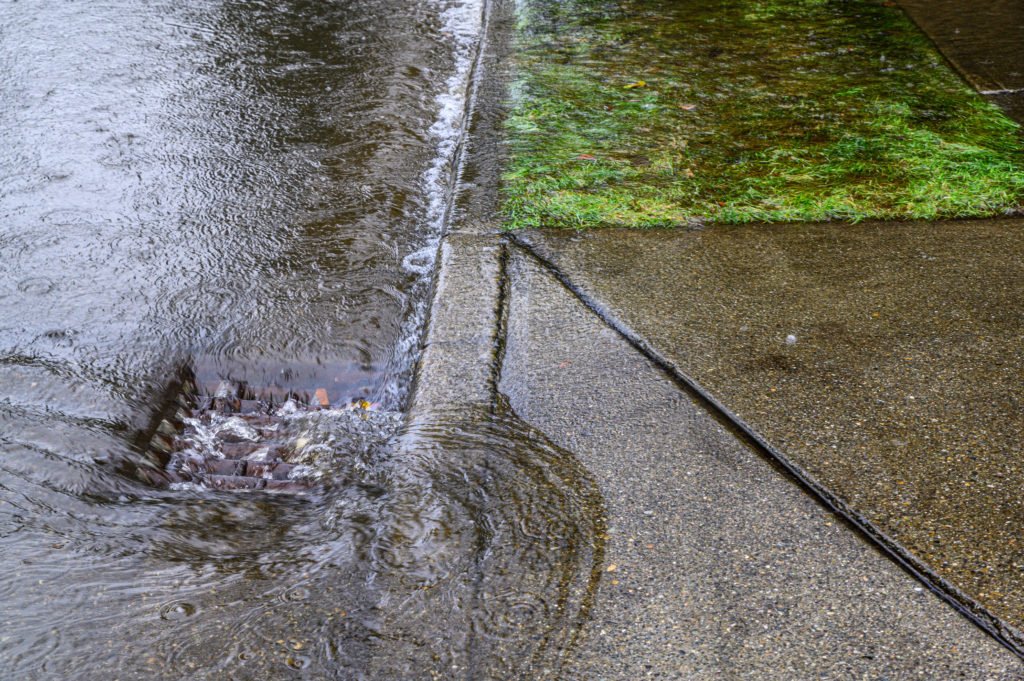
A properly maintained catch basin storm drain can help collect surface runoff and direct it into the appropriate drainage system.
But catch basins need attention too. Leaves, dirt, sediment, trash, and other debris can accumulate inside them and restrict the flow of water.
Signs of a Drainage Problem
You don’t have to wait for a major storm to discover that your drainage system isn’t working properly.
Look for standing water that remains long after rainfall has stopped. Repeated puddles in the same location, overflowing drains, washed-out soil, and eroded landscaping can all point toward drainage problems.
Water collecting near a foundation deserves particular attention.
Sometimes the solution may simply involve cleaning an existing drain. In other situations, the property may need additional drainage improvements or repairs to underground piping.
The important thing is to understand where the water is coming from and where it needs to go.
Why Regular Maintenance Helps
Plumbing and drainage systems are easy to forget when everything is working.
That’s exactly why preventive maintenance can be useful.
Periodic inspections can identify developing leaks, pipe deterioration, blockages, and drainage restrictions before they turn into emergencies. Storm drains can also be cleaned regularly to prevent debris from building up.
Property owners should pay attention to changes, too. A new odor, unusual water bill, recurring backup, or persistent puddle shouldn’t become part of the normal routine.
If something has changed, it’s worth asking why.
Choosing the Right Professional
Not every plumbing or drainage problem requires the same type of service. That’s why experience matters when selecting a contractor.
Look for licensed and insured professionals who have experience with underground water lines, sewer systems, and stormwater drainage.
Ask how they plan to diagnose the problem before work begins. If excavation is necessary, find out what areas of the property may be affected and how restoration will be handled.
A trustworthy contractor should explain the options clearly rather than pushing the most expensive solution.
You should know what needs to be done, why it needs to be done, and what you can reasonably expect from the finished work.
Protecting Your Property for the Long Run
Water and drainage infrastructure may be hidden, but its condition has a very visible impact on everyday life.
A properly functioning water line provides reliable access to clean water. A healthy sewer system carries wastewater away safely. Good stormwater drainage helps protect landscaping, pavement, and buildings when heavy rain arrives.
The smartest approach is to pay attention to early warning signs and address problems before they grow.
Sometimes the fix will be surprisingly simple. Other times, major repairs may be unavoidable. Either way, a proper diagnosis gives you a much better starting point.
Good plumbing work isn’t just about fixing what’s broken today. It’s about protecting the property for tomorrow, too. And when everything is working quietly beneath the surface, that’s usually when you know the job was done right.