Water has a way of causing trouble quietly. It doesn’t always announce itself with a dramatic burst pipe or water pouring through the ceiling. Sometimes it starts with a small change in pressure, a pipe getting too cold behind a wall, or a leak forming in a place nobody checks very often. By the time a homeowner notices the problem, the damage may already be spreading into flooring, drywall, cabinets, or insulation.
That is the part that makes water damage so frustrating. It can happen while you are asleep, at work, on holiday, or simply busy in another room. And unlike some home problems, water moves fast. It finds gaps, travels under surfaces, and turns a small plumbing issue into a stressful repair job before anyone has had a chance to react.
This is why modern water monitoring is becoming such a practical part of home protection. It is not just about convenience. It is about catching warning signs earlier and giving homeowners more control.
Why Pipes Become a Hidden Risk
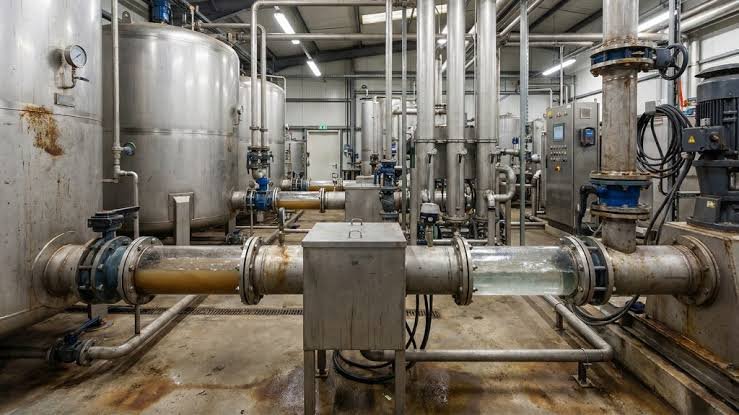
Most plumbing is out of sight, which means most of us do not think about it unless something goes wrong. Pipes run behind walls, under floors, through basements, across crawl spaces, and into rooms where we rarely look closely. When they are working properly, they are easy to forget. That’s kind of the point.
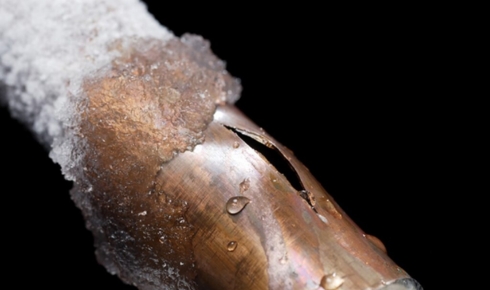
But hidden pipes can also hide hidden problems. A tiny leak behind a bathroom wall may go unnoticed until paint bubbles. A supply line under a sink may drip for weeks before anyone sees damp wood. In colder areas, freezing temperatures create another concern. When water inside a pipe freezes, it expands, and that pressure can damage the pipe or cause it to burst.
The Importance of Cold Weather Awareness
Winter plumbing problems are especially unpleasant because they often happen at the worst possible time. A sudden cold snap, poor insulation, an unheated garage, or a drafty crawl space can all increase the risk. Homeowners may think everything is fine until they turn on a tap and nothing comes out, or worse, water starts leaking after the pipe thaws.
This is where frozen pipe detection becomes useful. Early warning can help homeowners take action before a frozen pipe turns into a burst pipe. It may give them time to warm the area, open cabinets, call a professional, or shut off the water supply before damage spreads. Those few early moments can matter a lot.
A Smarter Layer of Home Protection
Traditional home maintenance depends heavily on what people can see and hear. You notice a stain. You hear dripping. You find a puddle. But water problems often begin before any of those signs appear. Smart monitoring changes that by watching the plumbing system in the background.
A system designed for whole home protection can monitor water activity across the property instead of focusing only on one sink or one appliance. That broader view matters because leaks are not always polite enough to happen where a sensor has been placed. A whole-home approach gives better coverage and helps protect the areas homeowners rarely inspect.
How Smart Monitoring Spots Trouble
Smart water systems do not simply wait for water to touch a floor sensor. Many advanced systems look at changes in water flow, pressure, and usage patterns. They learn what normal water activity looks like inside the home and then flag unusual behaviour.
Some systems use pressure wave analysis to identify tiny changes that may point to leaks or abnormal plumbing activity. That may sound a bit technical, but the idea is fairly straightforward. When water moves through pipes, it creates patterns. If those patterns change in unusual ways, the system may be able to recognise that something is wrong.
Why Early Alerts Reduce Stress
Getting an alert before damage becomes obvious can change the whole experience. Instead of discovering a soaked cabinet days later, the homeowner receives a notification and checks the issue sooner. Instead of returning from a trip to a damaged ceiling, they may be able to shut off the water remotely or send someone to inspect the home.
This does not mean technology removes every risk. Homes are still homes, and plumbing can still fail. But earlier information gives people choices. And when water is involved, having choices is far better than being surprised by a repair bill.
Automatic Shutoff Adds Real Value
One of the most useful features in smart water protection is automatic shutoff. If the system detects a serious leak or unusual flow, it can shut off the main water supply. This is especially helpful when nobody is home or when a leak happens overnight.
Imagine a washing machine hose failing while the family is away for the weekend. Without shutoff, water could run for hours. With automatic protection, the system may limit the damage by stopping the flow early. That one feature can turn a major disaster into a manageable plumbing call.
Water Monitoring Also Teaches Better Habits
Leak protection is the main reason many homeowners consider smart systems, but there is another benefit too: awareness. Most people don’t really know how much water they use. They only notice when the bill looks high.
Smart monitoring can help identify running toilets, dripping taps, irrigation issues, or unusual usage. These are not always emergencies, but they can waste water and money. Over time, that information helps homeowners understand their property better and take care of small issues before they become expensive.
Professional Installation Matters
A smart water monitoring system is only as good as its installation. Placement, pipe size, pressure, shutoff valve access, and home layout all matter. A professional installer can make sure the system is fitted correctly and tested properly.
This is particularly important for automatic shutoff features. If the device is placed incorrectly, it may not protect the home as intended. A careful installation helps the technology do its job quietly and reliably in the background.
A Calmer Way to Protect What Matters
Water damage is one of those problems homeowners hope they never face. But hope is not really a plan. Smart water monitoring gives the home an extra layer of awareness, especially in places people cannot see every day.
The goal is simple: catch problems early, reduce damage, and make homeownership feel a little less uncertain. Whether it is a slow leak, a frozen pipe risk, or unusual water usage, early detection can make a real difference.
In the end, protecting a home is often about paying attention before trouble becomes obvious. Smart water systems help do exactly that. Quietly, consistently, and without asking much from the people living there.