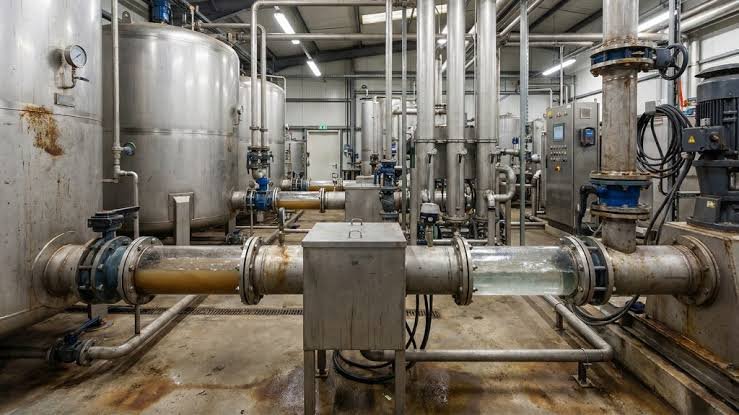
Water can be a little sneaky. It may look clear in the glass, but still carry things that affect taste, smell, plumbing, appliances, and even the way a home or business operates day to day. Sometimes the signs are obvious: rotten-egg smells, orange stains, cloudy ice, scale on fixtures, or water that tastes sharp and metallic. Other times, the problem builds quietly until maintenance becomes a regular headache.
That’s why proper water treatment is not about buying the biggest system or the most expensive one. It’s about matching the right technology to the actual problem. Different water issues need different solutions, and when the system is chosen correctly, the results can feel surprisingly practical.
When Disinfection Becomes Important
Some water sources need more than simple filtration, especially private wells or facilities where biological contamination is a concern. Bacteria, iron bacteria, sulfur bacteria, and certain odour problems may require a treatment approach that disinfects water before it moves through the rest of the system.
This is where chlorine injection systems can play an important role. These systems introduce a controlled amount of chlorine into the water supply to help treat bacteria, odours, and certain oxidisable contaminants. After contact time, additional filtration is often used to remove chlorine taste, sediment, or oxidised particles before the water reaches taps or equipment.
It’s not a casual plug-and-play solution, though. Proper sizing, contact tanks, chemical levels, and follow-up filtration all matter. Done well, it can make problem water much easier to manage.
Why Water pH Shouldn’t Be Ignored
Water pH affects more than taste. If water is too acidic, it may feel sharp, corrode metal plumbing, and contribute to blue-green staining from copper pipes. If it is too alkaline, it may leave deposits or taste bitter depending on the mineral content. Many homeowners don’t think about pH until they see stains, pinhole leaks, or recurring fixture issues.
Good pH adjustment systems are designed to bring water into a more balanced range. In acidic water conditions, a neutralising filter may raise pH by passing water through mineral media. In other situations, chemical feed systems may be used for more controlled adjustment.
The goal is not to chase a trendy number. It’s to protect plumbing, improve water comfort, and reduce long-term damage caused by water that is chemically out of balance.
Drinking Water Needs a Different Kind of Care
The water you drink, cook with, and use for coffee or tea often needs more refined treatment than the water used for flushing toilets or washing floors. Taste, dissolved solids, chlorine, and certain impurities can all affect whether people trust and enjoy their tap water.
For many homes and businesses, RO systems are a strong option for improving drinking water quality. Reverse osmosis uses a membrane to reduce many dissolved contaminants and minerals that standard filters may not fully remove. The result is typically cleaner, crisper water from a dedicated faucet or point-of-use setup.
Restaurants, offices, cafés, and homes often choose reverse osmosis when they want better-tasting drinking water, clearer ice, or more consistent beverage quality.
One System Rarely Solves Everything
Water treatment works best when it is designed as a complete process. For example, water with bacteria, iron, and low pH may need disinfection, pH correction, and filtration together. Hard water may need softening before it reaches certain appliances. Sediment may need to be removed before more sensitive filters or membranes.
This is where professional testing matters. Guessing based on colour, smell, or taste can help identify clues, but it cannot replace a proper water analysis. Testing can show hardness, iron, manganese, sulfur, pH, TDS, bacteria, chlorine, and other important details.
Once those results are clear, choosing the right system becomes much easier.
Homes and Businesses Have Different Demands
A small family home and a busy commercial facility may have similar water problems, but they don’t use water the same way. Flow rate, peak demand, pressure, storage, equipment sensitivity, and maintenance schedules all affect system design.
A home may need treatment for drinking water, showers, laundry, and plumbing protection. A business may need consistent water quality for food service, manufacturing, cooling, cleaning, or customer experience. The treatment approach should match both the water chemistry and the way the property uses water.
Maintenance Keeps Water Treatment Reliable
Even the best system needs regular care. Chemical levels must be checked. Filters need replacing. Media eventually wears down. RO membranes require monitoring. Pumps, injectors, valves, and tanks should be inspected to make sure everything is working as intended.
Skipping maintenance can lead to poor performance, unpleasant taste, pressure drops, or untreated water reaching the home or facility. A good service plan helps prevent those issues before they become expensive.
The Real Value Is Peace of Mind
Clean, dependable water is one of those things people appreciate most when they no longer have to worry about it. No strange smells. No mystery stains. No guessing whether the water is safe for equipment, plumbing, or daily use.
The right treatment system does not need to be flashy. It just needs to be correct for the water in front of it. With proper testing, thoughtful design, and regular maintenance, better water becomes less of a problem to manage and more of a quiet part of everyday comfort.