Water treatment used to feel like something most homeowners only thought about when there was a serious problem. Rust stains in the sink. A rotten-egg smell from the shower. Hard water spots on every glass in the cabinet. That kind of thing. But today, more families are looking at water quality before it becomes a daily frustration.
And honestly, it makes sense. Water touches almost everything in a home. It affects the taste of coffee, the feel of laundry, the comfort of a shower, the cleanliness of dishes, and even how long appliances may keep running well. When the water improves, a lot of small parts of home life improve with it.
Why Traditional Water Treatment Needed a Rethink
Older water softening systems often came with a few complaints. Some needed electricity. Some regenerated on fixed timers, whether the home actually used enough water or not. Others felt bulky, wasteful, or a little too demanding when it came to maintenance.
That’s one reason non-electric water softeners have become appealing to many homeowners. They’re designed to operate without relying on electrical power, which can make them simpler, efficient, and dependable in everyday use. Instead of adding another plugged-in device to the utility area, they work quietly in the background.
For homes dealing with hard water, that kind of simplicity matters. The goal is better water, not another complicated machine to worry about.
Technology That Works Behind the Scenes
Good water treatment doesn’t need to be flashy. In fact, the best systems are usually the ones you barely think about after they’re installed. They do their job quietly, helping reduce minerals, improve taste, support appliances, and make water feel more pleasant across the home.
Modern systems often use innovative technology to treat water more efficiently and respond better to actual household usage. That means fewer wasted resources, more consistent performance, and water treatment that feels more aligned with real life.
A busy family on a Monday morning uses water differently than a couple away for the weekend. Smarter systems are designed with that kind of variation in mind.
Filtration Is About More Than Taste
Many people first think about filtration because their tap water tastes or smells odd. Maybe it has a chlorine note, a metallic edge, or a flat taste that makes bottled water seem easier. But filtration can also help with sediment, particles, odors, and other unwanted elements depending on the system and water source.
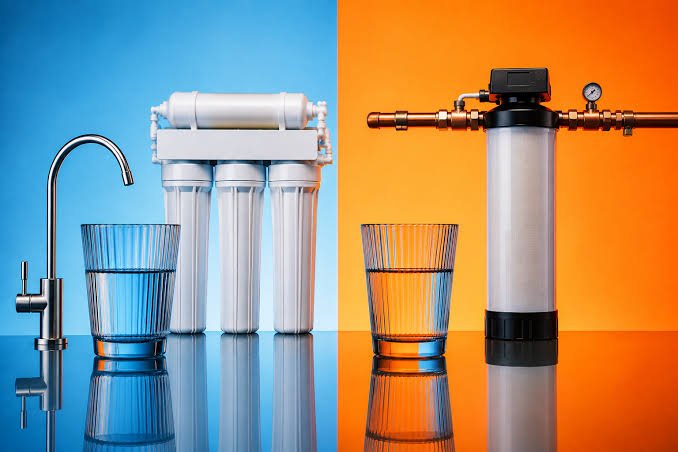
Proper water filtration systems can improve water for drinking, cooking, washing, and general household use. Some are designed for the whole home, while others focus on the kitchen sink or specific points of use. The right choice depends on what’s actually in the water.
That’s why testing matters before buying anything. A filter that helps with taste may not solve hard water. A softener may not remove certain odors. The best setup starts with knowing the water first.
The Everyday Difference Better Water Makes
Improved water quality is not always dramatic, but it is very noticeable over time. Soap may lather better. Shower glass may stay cleaner. Laundry may feel softer. Coffee may taste cleaner. Dishes may come out with fewer spots.
Appliances can benefit too. Water heaters, dishwashers, washing machines, ice makers, and coffee machines all depend on water. When hardness minerals or sediment are reduced, these appliances may face less buildup and stress.
It’s the kind of improvement that quietly pays you back in comfort, convenience, and less frustration.
Choosing a System That Fits the Home
No two homes have identical water needs. A city-water household may care most about chlorine taste. A well-water home may deal with sediment, iron, sulfur odor, or hardness. A large family may need higher capacity than a smaller home.
A proper water analysis helps identify the real issues. From there, a professional can recommend a system that fits the home’s size, plumbing, water usage, and maintenance expectations.
The best solution is rarely the one that sounds the fanciest. It’s the one that solves the actual problem reliably.
Better Water Should Feel Easy
A good water system should make home life simpler. It should not require constant attention or turn into another household project. Filters may need changing. Salt may need checking in some systems. Occasional service may be needed. But day to day, it should simply work.
That’s the real beauty of smart water treatment. It supports the home quietly. It helps water taste better, feel better, and perform better. It protects the little routines people rarely think about until they go wrong.
In the end, better water is not just about equipment. It’s about comfort. It’s about confidence at the tap. It’s about fewer stains, softer laundry, better showers, and a home that feels cleaner in ways you can actually notice.
For something used every day, that’s a pretty smart upgrade.

Admin
A contributor to the Blogistra editorial desk, covering ideas, industries and modern life.
More from this author