There’s something charming about older homes. The original wood floors, the detailed trim work, the feeling that the house has lived through decades of stories before you arrived. But behind all that character, there’s often one hidden system quietly working harder than it was ever designed to.
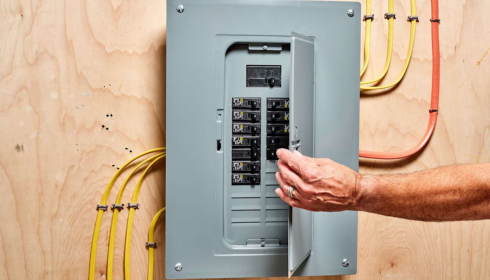
The electrical panel.
Most homeowners don’t think about it very often, honestly. It sits tucked away in a garage, basement, or utility room, quietly distributing power throughout the house day after day. Lights turn on, appliances work, phones charge — everything seems normal.
Until it doesn’t.
The Signs Usually Start Small
Electrical problems rarely announce themselves dramatically at first. Instead, homeowners notice small annoyances they gradually learn to live with.
Maybe the breaker trips every time the microwave and air fryer run together. Maybe lights flicker briefly when the washing machine starts. Sometimes outlets feel warm or the panel makes faint buzzing sounds nobody feels completely comfortable ignoring.
These little signs are often the home’s way of saying the system is under more stress than it should be.
A modern household simply uses far more electricity than homes built thirty or forty years ago were originally designed to handle. Between large televisions, gaming systems, electric vehicle chargers, smart appliances, multiple computers, and endless charging devices, power demand has quietly exploded over the years.
That’s why many homeowners eventually consider an electrical panel upgrade once the existing system starts struggling to keep up with daily life.
Older Panels Weren’t Built for Today’s Homes
Years ago, households operated very differently. Fewer appliances, fewer electronics, and honestly, fewer expectations overall. A family might have had one television, basic kitchen equipment, and maybe a window air conditioning unit.
Now? Entire homes function almost like small technology hubs.
Electric stoves, large HVAC systems, home offices, entertainment setups, electric dryers, hot tubs, and charging stations all place additional demand on electrical systems that may already be decades old.
The difficult part is that outdated panels don’t always fail dramatically right away. Sometimes they simply become overloaded gradually, creating small issues homeowners normalize over time.
And honestly, people often don’t realize how outdated their electrical system is until an electrician points it out during an inspection.
Safety Matters More Than Convenience
Most homeowners initially think about electrical upgrades because of convenience. They’re tired of tripped breakers or limited outlet availability. But safety is usually the bigger concern.
Overloaded or aging electrical panels can create serious risks if ignored too long. Loose connections, overheating breakers, outdated components, and insufficient capacity may increase the chances of electrical fires or appliance damage over time.
That’s why understanding when to upgrade electrical panel systems becomes important, especially in older properties. Frequent breaker trips, burning smells, rust near the panel, flickering lights, or reliance on multiple extension cords are all signs the system may need professional evaluation.
And honestly, electrical issues aren’t really the kind of thing homeowners should gamble with.
Renovations Often Reveal Bigger Problems
A lot of homeowners only discover electrical limitations during renovation projects. They remodel the kitchen, add new appliances, or convert part of the house into a home office — and suddenly the existing panel can’t support the additional demand safely.
I remember hearing from someone who installed a modern HVAC system in their older house and immediately started experiencing breaker issues throughout the property. The original panel simply wasn’t designed to handle the increased electrical load.
That situation happens more often than people think.
New appliances are generally more powerful and energy-intensive than older ones, especially when multiple systems operate simultaneously during busy parts of the day.
The Cost Question Everyone Asks
One of the first things homeowners worry about is naturally the electrical panel upgrade cost. And honestly, that makes sense. Electrical work isn’t usually something people budget for until it suddenly becomes necessary.
The overall price depends on several factors — the size of the home, amperage requirements, local permitting, labor, existing wiring conditions, and whether additional upgrades are needed alongside the panel replacement itself.
But while upgrades may feel expensive initially, many homeowners eventually view them as long-term investments in safety, reliability, and future flexibility. A properly upgraded system supports modern appliances more efficiently and often increases the overall functionality of the home.
Plus, avoiding electrical failures or safety hazards later is worth quite a bit on its own.
Modern Panels Offer More Reliability
Today’s electrical panels are designed for the realities of modern living. Higher electrical loads, improved safety standards, better circuit organization, and compatibility with newer technologies all make updated systems more reliable overall.
That matters more than people realize because reliable electricity quietly supports almost every daily routine inside the home.
Cooking, working remotely, charging devices, heating, cooling, entertainment — all of it depends on the electrical system functioning consistently behind the scenes.
And honestly, most people never think about their panel at all when everything works properly. Which is probably the best sign an electrical system is doing its job correctly.
Preventative Upgrades Reduce Future Stress
One thing homeowners often learn the hard way is that waiting until a complete failure happens usually creates more stress than upgrading proactively.
Preventative improvements rarely feel urgent in the moment. But once lights start flickering constantly or breakers fail repeatedly, the situation quickly becomes impossible to ignore.
Scheduling inspections before major renovations, appliance additions, or home expansions often helps identify electrical limitations early enough to avoid bigger problems later.
And honestly, peace of mind matters too. Knowing the electrical system can safely support the household’s daily demands allows homeowners to stop worrying every time a breaker trips unexpectedly.
The Best Home Systems Are the Ones Nobody Notices
At the end of the day, most of the systems that truly support home comfort remain invisible most of the time. Plumbing, electrical work, heating — these behind-the-scenes systems quietly keep everyday life functioning smoothly.
When they work properly, nobody thinks much about them.
But when they start struggling, homeowners notice immediately.
That’s why investing in safe, reliable electrical infrastructure matters so much. Not because electrical panels are exciting — honestly, they aren’t — but because they quietly support the routines, comfort, and stability people depend on every single day without even realizing it.