Most business owners focus on the things customers notice immediately — good service, clean interiors, strong branding, maybe even the playlist quietly playing in the background. Those details matter, of course. But there’s another factor shaping customer experience every single day that often goes completely unnoticed until something goes wrong.
Water.
It sounds almost too ordinary to matter much. Yet water quietly influences restaurants, hotels, salons, manufacturing spaces, healthcare facilities, office buildings, and countless other industries in ways people rarely stop to think about.
I once spoke with the owner of a small coffee shop who spent weeks adjusting brewing techniques because customers kept saying the drinks tasted inconsistent. The beans were premium. The machines were expensive. The staff knew what they were doing. In the end, the problem wasn’t coffee at all — it was the water supply running through the building.
Once the filtration setup was improved, complaints disappeared.
Funny how invisible systems sometimes create the biggest problems.
Water Is Part of the Customer Experience
People notice more than businesses often realize. A hotel guest might not understand why the shower feels unpleasant, but they notice the dry skin afterward. A restaurant customer may not identify mineral-heavy water specifically, but they’ll remember cloudy glasses or strange-tasting ice.
That’s why water quality plays such a surprisingly important role in commercial spaces. It affects flavor, cleanliness, appliance performance, comfort, and even customer trust.
And unlike flashy renovations or marketing campaigns, water improvements tend to work quietly in the background. Guests may never compliment the filtration system directly, but they absolutely notice the results.
One restaurant owner described it perfectly: “Customers don’t comment when the water is good. They only remember when it isn’t.”
That’s probably true for most businesses.
Businesses Depend on Water More Than They Think
Some industries obviously rely heavily on water — restaurants, breweries, healthcare facilities, and food production companies, for example. But water affects nearly every business environment in one way or another.
Office buildings need reliable water for staff and visitors. Gyms and salons rely on it for customer comfort. Manufacturing operations often require highly controlled water conditions for equipment and production consistency.
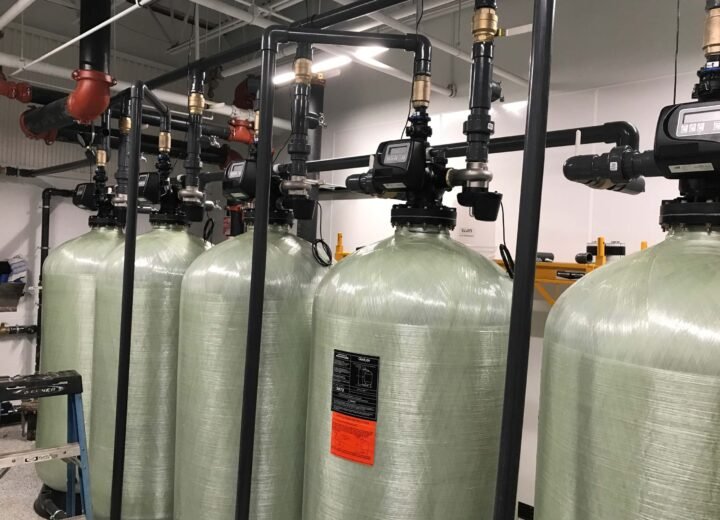
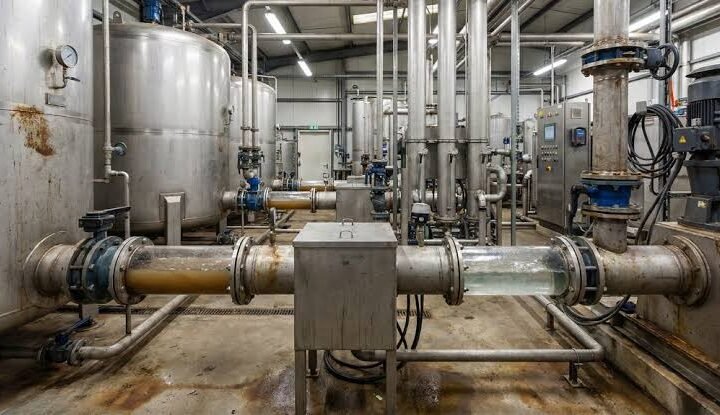
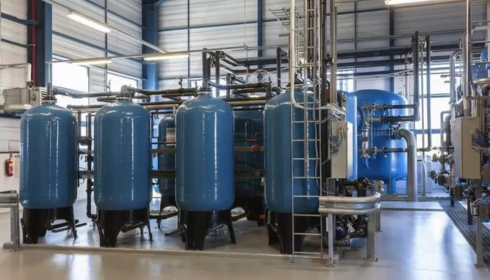
These types of commercial applications demand more than basic plumbing reliability. They require water systems capable of supporting daily operations without creating hidden maintenance problems or customer complaints.
And maintenance issues add up fast when water conditions are poor.
Hard minerals can damage expensive machines over time. Sediment clogs fixtures and reduces efficiency. Chlorine-heavy water affects taste and odor. Even small inconsistencies become expensive when multiplied across daily business operations.
Clean Water Quietly Protects Equipment
One of the less obvious benefits of better water systems is equipment protection.
Coffee machines, dishwashers, boilers, cooling systems, washing equipment, ice makers — they all perform better and last longer when water conditions are properly managed. Businesses dealing with mineral buildup or sediment often spend thousands replacing equipment sooner than expected without realizing the water itself is contributing to the damage.
That’s one reason access to reliable clean water matters so much beyond simple health concerns. Cleaner water reduces scaling, improves efficiency, and lowers long-term maintenance costs in ways that quietly strengthen operations over time.
A hotel manager once explained that after upgrading their water treatment setup, appliance repairs dropped noticeably within the first year. “It felt like the whole building stopped fighting us,” they joked.
Odd phrasing maybe, but surprisingly accurate.
Water Problems Usually Start Small
The tricky thing about water-related business issues is how gradually they develop.
A slight taste change in beverages. Mineral spots on glassware. Reduced water pressure. Equipment taking longer to heat or cool. Individually, these issues don’t always feel urgent. Over time, though, they create frustration for staff, customers, and management alike.
And because the changes happen slowly, businesses often normalize them without realizing how much operational quality is slipping.
One café owner admitted they spent years assuming cloudy dishware was simply unavoidable in busy restaurant environments. After addressing the building’s water conditions properly, they realized how much time staff had been wasting re-cleaning glasses and silverware every single day.
Sometimes businesses adapt to problems instead of solving them because the problems feel familiar.
Better Water Improves More Than Operations
There’s also a psychological side to water quality that businesses don’t always consider.
Customers notice comfort, even when they can’t explain exactly why a space feels better. Softer water in hotel showers. Cleaner ice in drinks. Better-tasting coffee. Fresher-smelling restrooms. These details quietly shape how people experience a business.
Employees notice it too.
Breakroom water tastes better. Cleaning becomes easier. Equipment behaves more reliably. Workflows feel smoother because fewer small problems interrupt the day constantly.
None of these changes sound dramatic individually. But together, they improve the overall atmosphere of a business in ways that customers and staff both feel over time.
Water Quality Is Becoming a Business Priority
For years, many companies treated water systems as background infrastructure — something you only deal with when pipes burst or equipment fails. That mindset has shifted significantly.
Businesses now recognize that water quality directly affects operations, customer satisfaction, maintenance costs, and even brand reputation. In industries where consistency matters, reliable water isn’t optional anymore.
And honestly, that shift makes perfect sense.
Water touches nearly every physical interaction inside a commercial space. Whether customers consciously notice it or not, they experience its effects constantly.
Once business owners see how deeply water influences daily operations and customer perception, it becomes difficult to overlook just how important that invisible system really is.
Because sometimes the biggest improvements inside a business are the ones nobody notices directly — they simply make everything work better.

Admin
A contributor to the Blogistra editorial desk, covering ideas, industries and modern life.
More from this author