There’s something quietly exciting about the idea of starting a food business without the chaos of tables, waiters, and expensive interiors. No fancy lighting, no prime-location rent, no pressure to “look good” for customers walking in.
Just food. Good food.
That’s the heart of a cloud kitchen. It strips the restaurant idea down to its essentials—and in doing so, makes it surprisingly accessible for people who’ve always dreamed of running their own food venture but didn’t have a huge budget.
What Exactly Is a Cloud Kitchen?
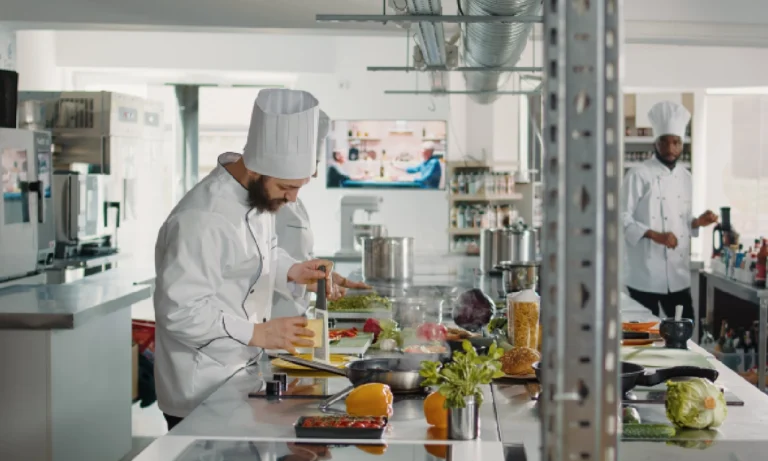
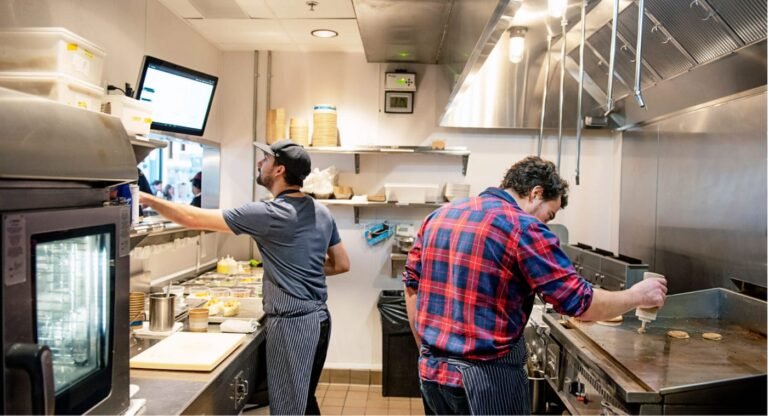
A cloud kitchen (or ghost kitchen, as some call it) is a delivery-only food business. No dine-in, no physical storefront for customers. Orders come through apps, food goes out through delivery partners.
Simple model, but powerful.
You could be operating from a small rented kitchen space—or even your own home, depending on local regulations. The focus stays on quality, consistency, and efficient delivery.
Why This Model Is Growing So Fast
Part of the reason cloud kitchens are booming is obvious—lower investment. Traditional restaurants require huge upfront costs. Interiors, staff, location… it adds up quickly.
With cloud kitchens, you skip most of that.
But there’s more to it. People are ordering food online more than ever. Platforms like Zomato and Swiggy have made it ridiculously easy. A few taps, and dinner is sorted.
So the demand is already there. You just need to meet it.
The Question That Brings People Here
If you’re even slightly interested in this space, you’ve probably asked yourself—Cloud kitchen business kaise start kare low budget me
And honestly, it’s a fair question.
Because while the model is simpler, it’s not effortless. You still need planning, patience, and a bit of street-smart thinking.
Starting Small (And Smart)
The biggest mistake beginners make is trying to do too much at once.
Instead, pick one cuisine. One concept. Something you understand well. Maybe it’s homemade North Indian meals, maybe it’s street-style snacks, maybe even healthy tiffin services.
Keep the menu tight. Not 50 dishes—maybe 8 to 12 items you can execute perfectly.
Why? Because consistency matters more than variety in the beginning.
Your Kitchen Setup Doesn’t Need to Be Fancy
You don’t need a commercial-grade kitchen from day one.
Start with essentials—good quality stove, basic utensils, proper storage, and hygiene practices. If you’re working from home, make sure everything is clean and organized. That matters more than how modern your equipment looks.
As orders grow, you can upgrade gradually.
Licensing and Legal Stuff (Don’t Skip This)
This part isn’t exciting, but it’s important.
In India, you’ll need an FSSAI registration. It’s not too complicated, but it’s mandatory if you want to operate legally.
Depending on your scale, there might be additional local permissions required. It’s worth checking early instead of fixing issues later.
Getting Your First Customers
Now comes the real challenge—visibility.
Listing your kitchen on platforms like Zomato or Swiggy is a good starting point. But don’t rely on them alone.
Use WhatsApp groups, local Instagram pages, and even word-of-mouth. In the beginning, your first 20–30 customers matter more than your first 1,000.
Give them a good experience, and they’ll bring others.
Pricing: Finding That Sweet Spot
Pricing is tricky.
Go too high, and people hesitate. Go too low, and your margins disappear.
A simple approach? Calculate your cost per dish (ingredients, packaging, delivery commission), then add a reasonable margin. Don’t aim for huge profits immediately. Aim for sustainability.
Over time, as your brand grows, you can adjust.
The Little Things That Make a Big Difference
Packaging, for example. It’s often overlooked, but it’s the first physical interaction your customer has with your brand.
Clean, sturdy packaging—maybe with a small note or branding sticker—can leave a lasting impression.
Also, consistency. If someone orders the same dish twice, it should taste the same. That’s what builds trust.
Challenges You Should Expect
Let’s be real—it’s not all smooth.
Delivery delays, app commissions, customer complaints, fluctuating demand… these things happen. Some days will feel slow. Some days overwhelming.
But that’s part of the journey.
The key is to stay flexible. Adjust your menu, refine your process, listen to feedback.
Growing Beyond the Basics
Once you’ve stabilized, you can think about expansion.
Maybe introduce a second cuisine under the same kitchen. Maybe create a niche brand—like desserts only, or late-night snacks.
Some cloud kitchens eventually move into physical spaces. Others scale into multiple delivery brands.
There’s no single path.
Final Thoughts
Starting a cloud kitchen isn’t about chasing trends—it’s about building something practical, step by step.
You don’t need a massive investment. You don’t need a perfect plan. You just need a clear idea, a willingness to learn, and the patience to grow slowly.
Because sometimes, the simplest ideas—done well—turn out to be the most powerful.