There’s a moment we’ve all had—scrolling through Instagram, seeing someone effortlessly styled, and thinking, “I wish I could dress like that.” And then reality kicks in… budget. Rent, bills, random expenses—fashion usually sits somewhere at the bottom of the priority list.
But here’s the thing no one tells you early enough: style isn’t about how much you spend. It’s about how you think while spending.
You don’t need a closet full of branded clothes to look put together. Sometimes, all it takes is a little creativity and a bit of patience.
Start With What You Already Have
Before buying anything, pause. Open your wardrobe. You’ll probably find pieces you’ve forgotten about—an old denim jacket, a plain white shirt, maybe even that kurti you haven’t worn in months.
The trick is to see them differently.
A basic white shirt isn’t “boring”—it’s versatile. Pair it with jeans, layer it under a dress, or even knot it casually. Suddenly, it feels new again.
Most people rush to shop without realizing they already own half the outfit they’re imagining.
The Power of Basics (They’re Not As Basic As You Think)
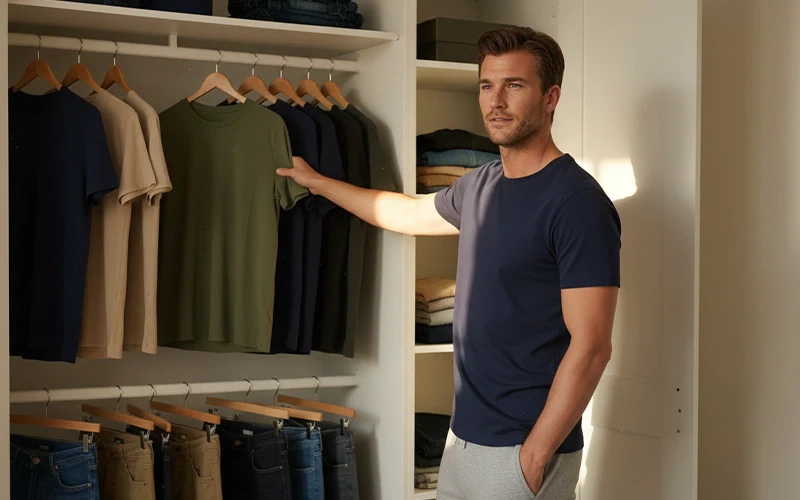
If you’re working with a tight budget, basics are your best friends. Neutral colors—black, white, beige, denim—give you more combinations without needing more clothes.
Instead of buying flashy, one-time-wear pieces, focus on items you can mix and match easily.
A simple black t-shirt? It can be casual with jeans, semi-formal with trousers, or even layered under a blazer if you want to experiment a little.
It’s not about having more—it’s about making each piece work harder.
Smart Shopping: Where You Spend Matters
Now comes the actual spending part. If your total budget is ₹2000, every choice counts.
Local markets, thrift stores, and online sales can be goldmines. You might not always find something perfect on the first try, but that’s part of the process. Good finds take time.
Try allocating your budget like this:
- ₹700–₹800 for a solid bottom (jeans or trousers)
- ₹500–₹600 for a versatile top
- Remaining ₹500–₹700 for accessories or layering pieces
This isn’t a strict rule—but it gives you a starting point.
Understanding the Real Hack
At some point, you’ll probably wonder: Budget styling hacks: ₹2000 me complete outfit kaise build kare
And honestly, the answer isn’t hidden in expensive styling tips or brand names.
It’s about balance.
You don’t need everything to be new. Maybe your jeans are fresh, but your top is something you already own. Or your outfit is simple, but your accessories elevate it.
It’s this mix—new + old, simple + styled—that creates a look without overspending.
Accessories: Small Details, Big Impact
If clothes are the base, accessories are the personality.
A basic outfit can feel completely different with the right add-ons. Think belts, watches, earrings, scarves—even a good pair of sunglasses.
And here’s the best part: accessories don’t have to be expensive to look good.
Street markets often have stylish pieces at very reasonable prices. The trick is to pick items that feel like you, not just something trendy for the moment.
Because trends fade fast. Personal style doesn’t.
Fit Matters More Than Price
You could be wearing a ₹500 outfit or a ₹5000 one—if the fit is off, it shows.
This is something people often overlook. Even affordable clothes can look polished if they fit well.
If needed, spend a small amount on minor alterations. Shortening a hem, adjusting the waist—it can completely change how an outfit looks on you.
It’s a small investment that pays off every time you wear that piece.
Confidence: The One Thing You Can’t Buy
It sounds cliché, but it’s true.
You can build the perfect outfit within ₹2000, follow all the tips, match colors perfectly—but if you don’t feel comfortable wearing it, it won’t work.
Style isn’t just visual. It’s how you carry yourself.
Sometimes, the most stylish people aren’t the ones wearing expensive clothes. They’re the ones who feel at ease in what they’re wearing.
Final Thoughts: Style Is a Skill, Not a Budget
If there’s one takeaway from all this, it’s this—style is something you develop over time.
You experiment. You make mistakes. You figure out what works and what doesn’t. And slowly, your choices start reflecting your personality instead of trends.
A ₹2000 budget might feel limiting at first. But in a strange way, it pushes you to think smarter, choose better, and get creative.
And honestly, that’s where real style begins.
Not in a mall. Not in a brand. But in how you put things together, even when you don’t have much to spend.

Admin
A contributor to the Blogistra editorial desk, covering ideas, industries and modern life.
More from this author