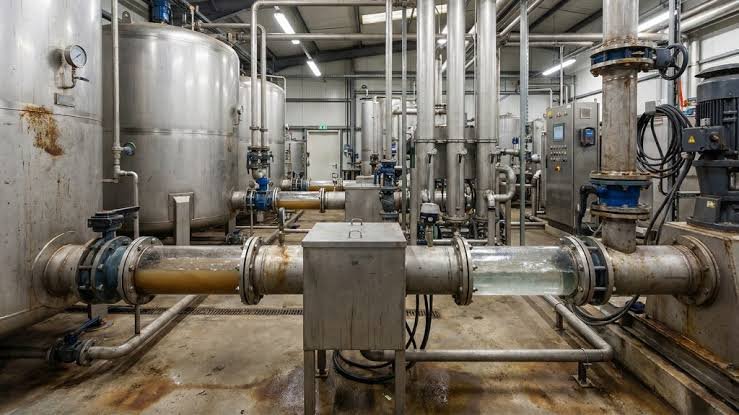
A good water treatment system should feel almost invisible. It sits in the garage, utility room, basement, or under the sink, doing its job without asking for much attention. The water tastes better, showers feel nicer, appliances deal with less buildup, and everyone in the house simply gets used to it.
That’s the funny thing about a system that works well. You stop noticing it.
But like most hardworking things in a home, it still needs care. Filters age. Valves move. Media wears down. Softener salt gets used up. Small changes in water quality can quietly affect performance. If nobody checks the system for months or years, the water may slowly drift back toward old problems.
Why Regular Service Matters
Routine system servicing helps keep water treatment equipment running as it should. It is not just about fixing something after it breaks. It is about checking the system before small issues become bigger, more expensive, or more annoying.
A service visit may include inspecting filters, testing water quality, checking salt levels, reviewing pressure, looking for leaks, and making sure valves and connections are working properly. None of this sounds very dramatic, but it makes a real difference.
Good service keeps the system dependable. It also gives homeowners confidence that the equipment they paid for is still doing its job.
Small Problems Don’t Always Announce Themselves
Water system issues can be sneaky. A filter may clog slowly, so pressure drops little by little. A softener may stop regenerating properly, and hard water starts returning before anyone realises it. A reverse osmosis system may produce water more slowly. A UV lamp may still glow but no longer perform as expected.
That’s why performance checks are useful. They look at how the system is actually working, not just whether it appears to be on. Testing treated water, checking flow, and reviewing system behaviour can show whether maintenance is needed.
Homeowners often notice the benefits only after service is done. Water pressure improves. Taste gets fresher. Scale stops returning. The system feels reliable again.
Prevention Is Usually Easier Than Repair
Most people would rather avoid emergency repairs if they can. Nobody wants a leak, failed filter housing, empty brine tank, clogged line, or sudden change in drinking water quality right when life is already busy.
That is where preventative maintenance earns its keep. Instead of waiting for something to go wrong, maintenance keeps the system on schedule. Filters are changed before they are exhausted. Salt is refilled before the softener falls behind. Components are checked before they cause trouble.
It’s the same logic as changing oil in a car. You don’t wait for the engine to complain. You take care of it so it keeps working.
What Service Can Include
Different systems need different types of care. A whole-home filter may need cartridge replacement or media checks. A softener may need salt, resin inspection, brine tank cleaning, or settings reviewed. Reverse osmosis systems need pre-filters, post-filters, and membrane service over time. UV systems require lamp replacement and sleeve cleaning.
A good technician will know what each system needs and when. More importantly, they will explain it in plain language. Homeowners should not feel lost in technical talk. They should know what was checked, what was replaced, and when the next service may be needed.
Clear communication matters because water treatment should feel practical, not mysterious.
The Home Benefits From Consistent Care
Well-maintained water systems help protect more than drinking water. They support appliances, plumbing, fixtures, laundry, showers, and everyday cleaning. When treatment slips, old problems can return: cloudy glassware, dry skin, stiff laundry, bad taste, odours, stains, or scale buildup.
These things may seem small, but they affect daily comfort. Water runs through nearly every routine in the home. When it works well, everything feels a little easier.
Maintenance also protects the investment. A system that is cleaned, checked, and serviced on time is more likely to perform properly for the long term.
Why Service Plans Help Busy Homeowners
Most people have enough to remember already. Work, bills, appointments, school runs, groceries, repairs — adding “check the water system” to the list is easy to forget. That’s why service plans can be helpful.
A scheduled plan keeps maintenance from slipping through the cracks. The provider can remind you when filters are due, inspect the equipment, top up supplies if needed, and keep records of past service. For homeowners who do not want to track every detail, that support is useful.
It also prevents the classic problem of waiting until water tastes bad again before calling someone.
Signs Your System May Need Attention
Even with a schedule, it helps to know the warning signs. A sudden drop in water pressure, return of hard-water stains, unusual taste, strange noises, cloudy water, slow reverse osmosis flow, or salt that never seems to go down can all mean something needs checking.
Leaks should always be handled quickly. So should any sudden change in well water smell, colour, or clarity. Water systems are designed to make life easier, but they still need a little attention when they start acting differently.
Clean Water Is an Ongoing Commitment
Installing a water system is a smart step, but keeping it in good condition is what protects the results. Better water is not a one-day project. It is a small ongoing habit that pays off through comfort, confidence, and fewer surprises.
The good news is that maintenance does not have to be complicated. With regular service, clear guidance, and a provider who understands the system, homeowners can enjoy better water without constantly thinking about it.
That’s the quiet goal, really. Water that works. Equipment that lasts. A home that feels cleaner and easier to live in, one glass, shower, and load of laundry at a time.