Most homeowners don’t think much about water until it starts misbehaving. It comes out of the tap, fills the kettle, runs through the shower, rinses vegetables, washes clothes, and disappears down the drain. That’s the usual rhythm. Quiet, ordinary, mostly ignored.
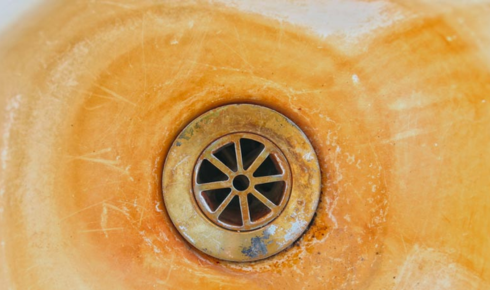
Then one day the sink has orange marks. The shower smells odd. The laundry looks a little tired. The kettle has a chalky ring inside it again. Suddenly, water isn’t just water anymore. It’s leaving clues.
The tricky thing is, water problems rarely arrive all at once. They creep in through small annoyances. A faint smell here. A stain there. A glass that never looks perfectly clean. And because these things seem minor at first, people often live with them longer than they should.
The Everyday Signs People Usually Notice First
One of the most common household water problems is hard water. It usually shows itself through white crust around taps, cloudy glassware, stiff laundry, dry-feeling skin, and shower doors that never stay clean for long. These marks come from minerals such as calcium and magnesium, which stay behind after water dries.
It’s not always dangerous, but it can be frustrating. Soap may not lather properly. Shampoo may feel harder to rinse out. Appliances like dishwashers, washing machines, and water heaters may work harder than they should. Over time, mineral deposits can build up inside pipes and fixtures, reducing efficiency and making ordinary cleaning feel like a never-ending job.
And that’s the part that wears people down. Not one big disaster, but the constant little cleaning battles.
That Rotten-Egg Smell Is Hard to Ignore
Some water issues announce themselves with smell. If you’ve ever turned on a tap and caught that unpleasant rotten-egg odor, you know how quickly it can make a home feel uncomfortable. Those sulfur smells are often linked to hydrogen sulfide gas or certain bacteria in the water system, especially in homes using well water.
The smell may be strongest when hot water runs, or it may appear at certain taps more than others. Either way, it’s not something most families want to ignore. Even if the water looks clear, an odor can make drinking, bathing, and cooking feel unpleasant.
People sometimes try to cover it up with scented cleaners or by running the tap for a while. That might help briefly, but it doesn’t solve the source. A proper water test can help identify what’s causing the odor and whether treatment is needed at the well, water heater, or whole-home level.
Rust-Colored Marks Around the Home
Then there are the stains. Orange, reddish-brown, or yellowish marks in sinks, tubs, toilets, and laundry can make a clean home look neglected, even when it isn’t. iron staining & discolouration can be especially annoying because it tends to return after scrubbing.
Iron can enter water naturally through soil and rock, or sometimes through older pipes and plumbing components. In small amounts, it may simply affect appearance and taste. In higher amounts, it can stain fixtures, change the color of water, and leave laundry looking dingy.
White shirts may come out with faint yellow marks. Toilets develop rusty streaks. Shower floors look dirty too quickly. It’s irritating because the problem isn’t really poor cleaning. The water itself is bringing the stain back.
Why Guessing Usually Costs More
A lot of homeowners try to solve water problems by guessing. They buy stronger cleaners, new detergents, pitcher filters, shower filters, vinegar sprays, or random gadgets from online ads. Some of these may help a little. Some won’t touch the real issue.
The better first step is testing. Water testing gives a clearer picture of what’s happening, whether the concern is minerals, iron, bacteria, pH imbalance, sediment, chlorine, or something else. Without that information, it’s easy to buy the wrong solution.
And water treatment is not one-size-fits-all. A softener may help with mineral-related issues, but it won’t solve every odor problem. A carbon filter may improve taste and smell in some cases, but it may not address heavy staining. Iron filters, neutralizers, UV systems, reverse osmosis units, and whole-house filters all serve different purposes.
The right system depends on the water, not guesswork.
How Water Problems Affect More Than Taste
Poor water quality can affect nearly every part of a home. It can shorten appliance life, make cleaning harder, change the feel of laundry, stain fixtures, and make showers less pleasant. It can also change how food and drinks taste. Coffee, tea, soup, ice cubes — they all depend on water more than people realize.
There’s also the emotional side, which sounds dramatic but is real. Nobody wants to feel embarrassed by stained toilets or odd-smelling tap water when guests visit. Nobody wants to hand their child a glass of water and wonder whether it’s okay. Water should feel trustworthy.
That peace of mind is often what pushes homeowners to finally look for a proper solution.
Choosing a Practical Treatment Plan
A good water treatment plan starts with identifying the exact problem. From there, homeowners can choose equipment that fits the home’s water source, plumbing layout, family size, and budget.
For mineral-heavy water, a softening system may be useful. For odor, oxidation or filtration may be needed. For iron, specialized filtration can often help reduce staining. For drinking water concerns, an under-sink system may be the right addition. Sometimes one system is enough. Sometimes a layered approach works better.
Installation matters too. Even good equipment can perform poorly if it’s sized wrong or installed carelessly. Proper placement, pressure checks, drainage, bypass valves, and maintenance access all make a difference.
Good Water Makes Home Life Easier
Fixing water problems rarely feels glamorous. It’s not like installing new countertops or painting a room. But the difference can be surprisingly satisfying.
Fixtures stay cleaner longer. Laundry looks better. Showers feel fresher. The kitchen sink stops carrying that odd smell. Glasses look clearer. Appliances get a little less strain. These are small improvements, yes, but they touch daily life again and again.
Water is part of almost everything a home does. So when it improves, the whole house feels easier to live in.
And really, that’s the point. Not perfect water, not fancy promises, just cleaner, more reliable water that stops leaving so many annoying clues behind.