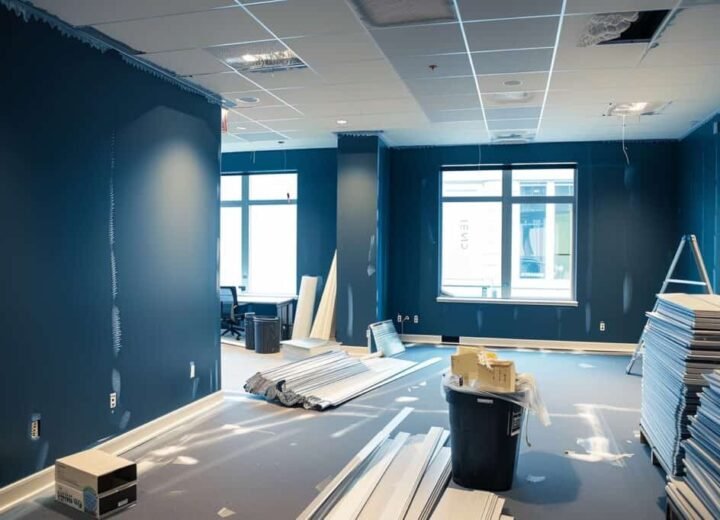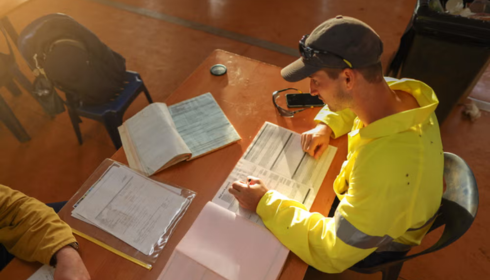
When people think about construction projects, they usually picture visible progress. Steel frameworks rising into the sky. Concrete being poured. Workers moving equipment across busy sites while buildings slowly take shape day by day.
What nobody really talks about are the quieter parts happening long before construction crews fully arrive.
The paperwork. The inspections. The coordination meetings. The endless phone calls between departments, engineers, contractors, and city offices trying to keep everything moving in the right direction.
And honestly, some of the most important decisions during a project happen before the first wall is ever built.
Construction Starts Long Before Building Begins
One thing experienced developers learn quickly is that physical construction is only part of the process.
Before any project moves forward, there’s usually an enormous amount of preparation involved. Timelines need organising. Budgets get reviewed repeatedly. Infrastructure plans must align with regulations. Safety requirements need approval. Different teams have to coordinate schedules that often overlap in complicated ways.
Then comes the process of securing permit approval, which can quietly shape the pace of the entire project from the very beginning.
At first glance, permits may seem like routine paperwork. But in reality, approvals often determine whether construction flows smoothly or becomes delayed by unexpected complications later.
I once heard a contractor joke that construction projects spend half their lives waiting for signatures. It sounded exaggerated at first, but honestly, there’s probably some truth in it.
Permits Exist for a Reason
It’s easy for people outside the industry to see regulations as frustrating obstacles slowing everything down. And admittedly, permit processes can sometimes feel painfully slow when deadlines are tight.
But there’s an important reason these systems exist.
Commercial buildings need to meet strict safety standards because the consequences of poor construction can affect hundreds of people later. Structural integrity, fire safety, accessibility, electrical infrastructure, ventilation systems — all of it matters far beyond aesthetics alone.
That’s why construction permits play such a critical role in large projects.
Permits ensure infrastructure plans meet local codes before expensive mistakes become permanently built into the structure itself. Inspections catch problems early when they’re still manageable instead of after businesses move into the space.
And honestly, correcting issues during planning stages is usually far less painful than dealing with major repairs after occupancy begins.
Electrical Work Carries Extra Responsibility
Electrical infrastructure tends to receive particularly close attention during commercial construction, and for good reason.
Modern businesses rely heavily on stable electrical systems every single day. Offices depend on internet infrastructure and communication systems. Restaurants need refrigeration and kitchen equipment operating continuously. Warehouses use automation, security systems, and machinery that can’t afford unexpected interruptions.
That complexity means experienced electrical contractors do far more than simply install cables behind walls.
They coordinate with inspectors, engineers, architects, and project managers to ensure systems meet both current safety codes and future operational demands. They evaluate power loads, accessibility, backup systems, energy efficiency, and long-term scalability all at once.
Most people inside the finished building will never see any of that work afterward.
But they absolutely notice when electrical systems fail.
Delays Often Start Small
One thing construction professionals understand well is how quickly small administrative problems can grow.
A missing approval document here. An inspection delay there. A revised drawing submitted too late. Suddenly multiple trades are waiting on each other, schedules begin shifting, and costs quietly start climbing behind the scenes.
The frustrating part is that many major project delays begin with details that initially seemed minor.
I once spoke with a business owner who planned to open a new retail location before the holiday season. A late permit revision delayed electrical inspections by only a couple of weeks at first. But that small delay affected flooring installation, equipment delivery, and occupancy approval afterward, eventually pushing the opening well past the busiest sales period entirely.
That’s the reality of construction projects — everything connects to everything else.
Modern Buildings Are More Technically Demanding
Commercial buildings today operate very differently than they did twenty years ago.
Businesses now expect fast internet infrastructure, climate control systems, automated lighting, security technology, charging stations, energy-efficient equipment, and scalable electrical capacity built directly into the property from day one.
All of those systems increase construction complexity significantly.
It’s no longer enough for buildings to simply “work.” Modern spaces need to function efficiently, safely, and reliably under constant daily demand while also remaining flexible enough to adapt to future changes.
That’s why planning and inspections have become increasingly detailed over time.
The more technology buildings depend on, the more important infrastructure coordination becomes behind the scenes.
Good Construction Usually Feels Invisible Later
There’s something interesting about successful construction projects: once they’re finished, people rarely think about how complicated the process actually was.
Employees move into offices and focus on work. Customers visit restaurants without thinking about inspections or approvals. Business owners care about operations, not permit timelines from months earlier.
When projects are handled properly, the difficult parts disappear quietly into the background afterward.
And honestly, that’s probably the clearest sign the work was done well from the beginning.
Because successful construction isn’t really about creating attention around the process itself. It’s about creating buildings that function naturally once people begin using them every day.
The permits, inspections, approvals, and coordination may not be glamorous, but they quietly shape whether the final result feels reliable years later.
Most people will never see that side of construction directly.
But the quality of those early decisions affects nearly everything that comes afterward.

Admin
A contributor to the Blogistra editorial desk, covering ideas, industries and modern life.
More from this author