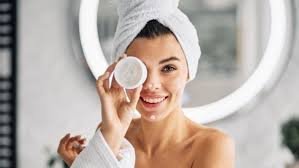
There’s something oddly mesmerizing about that soft, almost reflective glow you see in Korean skincare ads. Skin that looks like it’s been gently polished, hydrated from within, and—well—effortlessly flawless. The “glass skin” trend didn’t just stay in Seoul; it quietly made its way into Indian beauty routines too.
But here’s the thing. Trends travel faster than context. And what works in one climate, lifestyle, or culture doesn’t always land the same way somewhere else. So the real question isn’t whether glass skin looks good (it obviously does), but whether it’s actually achievable here.
Let’s unpack that, slowly.
What “Glass Skin” Really Means (Beyond the Hype)
At its core, glass skin isn’t about makeup. It’s about skin health. Hydration, even tone, minimal texture, and a kind of bounce that suggests your skin barrier is doing its job.
The Korean approach focuses heavily on layering—toners, essences, serums, moisturizers—each step adding a bit more hydration and nourishment. It’s less about covering flaws and more about preventing them in the first place.
Sounds ideal, right? But also… a bit high maintenance.
Climate: The Invisible Game-Changer
Here’s where things start to shift.
Korea generally has a cooler, more temperate climate compared to most parts of India. Humidity levels, pollution, sun exposure—all of these factors behave differently here.
In cities like Mumbai or Chennai, for instance, humidity is already high. Adding multiple layers of hydrating products can sometimes feel like too much. Skin may end up looking greasy rather than dewy.
On the flip side, in drier regions or during winter, the layering technique can actually work beautifully. It just needs tweaking.
So no, you don’t need a 10-step routine. You need a smart one.
Indian Skin Types: A Different Starting Point
Indian skin tends to be more melanin-rich, which is a strength—it ages better, generally speaking. But it also comes with its own set of concerns: hyperpigmentation, tanning, uneven tone.
Glass skin routines often emphasize hydration and brightness, but not always targeted treatment for pigmentation. That’s where you might need to blend approaches.
Think of it less like copying a routine and more like customizing a recipe. Add what your skin actually needs.
The Reality Check Everyone’s Thinking About
At some point, this thought crosses your mind:
“Korean glass skin trend India me realistically possible hai kya?”
And honestly? Yes… but not exactly the way it’s shown online.
That ultra-reflective, poreless finish you see in photos is often enhanced by lighting, filters, and professional skincare treatments. Expecting that level of perfection naturally can set you up for disappointment.
But healthy, hydrated, glowing skin? That’s very much achievable.
You just have to redefine what “glass skin” means for you.
What Actually Works in an Indian Routine
Instead of blindly following trends, a few grounded habits go a long way:
- Gentle cleansing: Over-cleansing strips your skin. Keep it balanced.
- Hydration, but not overload: One good hydrating serum or toner is enough for most people.
- Sun protection: This is non-negotiable in India. No glow survives without sunscreen.
- Targeted treatments: Niacinamide, vitamin C, or mild exfoliants can help with pigmentation and texture.
And maybe most importantly—consistency. Not perfection.
The Pressure of “Perfect Skin”
There’s also a quieter side to this trend that doesn’t get talked about enough. The pressure.
Scrolling through flawless skin images every day can make your own skin feel… inadequate. Even when it’s perfectly normal.
But real skin has texture. It reacts to weather, stress, hormones. It’s not meant to look like glass 24/7.
Sometimes, chasing a trend can take you further away from understanding your own skin.
Blending Trends with Reality
The smartest approach? Take inspiration, not instruction.
If you like the idea of glass skin, focus on the principles behind it—hydration, barrier care, gentle products. Adapt them to your environment, your budget, your skin type.
Skip what doesn’t make sense. Keep what does.
There’s no rulebook here.
Final Thoughts
Trends come and go, but good skin habits tend to stick around. The Korean glass skin concept has value—it encourages care, patience, and a shift away from heavy makeup.
But in India, it needs a bit of translation.
Not everything has to be followed exactly as it is. And honestly, it shouldn’t be.
So yes, that glow is possible. Maybe not the airbrushed version you see online, but a real, lived-in kind of glow. The kind that comes from understanding your skin rather than trying to perfect it.
And that, in its own quiet way, is probably more beautiful anyway.