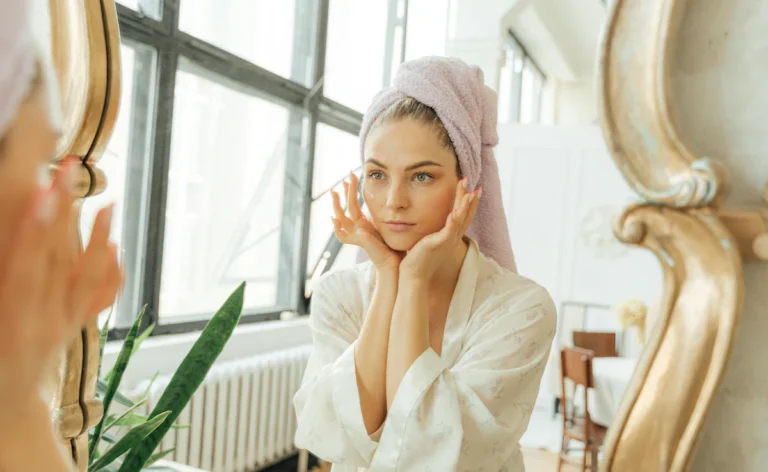
There’s something oddly comforting about a skincare routine that doesn’t ask you to do everything, every single night. For years, we were told more is better—more serums, more acids, more layers. But lately, the conversation has shifted. People are slowing down, simplifying, paying attention.
That’s where skin cycling quietly stepped in. Not flashy, not complicated… just structured in a way that feels, honestly, doable.
What Skin Cycling Really Means
At its core, skin cycling is about rotating your skincare products over a few nights instead of using everything daily. It’s less about adding steps and more about timing them right.
Instead of overloading your skin, you give it active ingredients on certain days—and rest on others. Think of it like a workout plan. You wouldn’t train the same muscle intensely every day, right? Skin works a bit like that too.
The idea is simple: exfoliation, treatment, recovery, recovery… and repeat.
Why Everyone Suddenly Cares About It
Part of the reason this trend caught on is because people were tired—literally tired—of irritated skin. Over-exfoliation, barrier damage, breakouts from too many actives… it became a cycle (not the good kind).
Skin cycling feels like a reset button.
It gives your skin space to breathe. And more importantly, it respects the fact that skin isn’t a machine—it reacts, it heals, it needs downtime.
Breaking Down the 4-Night Routine
Most beginners start with a basic four-night cycle. Nothing fancy.
Night 1: Exfoliation
This is where you use a chemical exfoliant—something with AHAs or BHAs. It helps remove dead skin cells and clears the way for better absorption of products later.
Night 2: Retinol or Treatment
This is your “active” night. Retinol, or any targeted treatment like acne control or anti-aging serum, comes into play here.
Night 3 & 4: Recovery Nights
No actives. Just gentle cleansing, hydration, and barrier repair. Moisturizers, maybe a calming serum, and that’s it. Simple, but important.
Then you repeat the cycle.
The Question Beginners Always Ask
At some point, everyone wonders the same thing—Skin cycling routine kya hota hai aur beginners kaise start kare?
Honestly, the best way to start is by not overthinking it.
You don’t need a shelf full of products. Just a gentle cleanser, one exfoliant, one treatment (like retinol), and a good moisturizer. That’s enough.
Start slow. If your skin feels sensitive, stretch the recovery days. There’s no rulebook saying you have to follow a strict 4-day cycle. Your skin, your rhythm.
Common Mistakes That Can Ruin It
Even though skin cycling is simple, people still mess it up sometimes. Usually by trying to “optimize” it too much.
One common mistake? Using strong exfoliants and retinol back-to-back without considering skin tolerance. Another is skipping recovery nights because everything seems “fine.” It might be fine for a week… then suddenly, irritation hits.
Also, mixing too many actives. That defeats the whole purpose.
Skin cycling works because it reduces chaos, not adds to it.
Does It Work for Everyone?
Short answer: mostly, yes—but with tweaks.
Oily skin types might benefit from slightly more frequent exfoliation. Dry or sensitive skin? You might need longer recovery phases. There’s no one-size-fits-all version here.
And if someone has severe acne or a medical condition, it’s always better to consult a dermatologist before jumping in.
Still, for the average person trying to build a balanced routine, it’s a solid starting point.
The Subtle Benefits You Notice Over Time
What’s interesting about skin cycling is that the results aren’t always dramatic overnight. It’s more of a slow, steady improvement.
Skin starts feeling calmer. Less reactive. Breakouts reduce—not disappear magically, but become manageable. Texture improves. There’s a kind of quiet consistency that builds over weeks.
And maybe the biggest benefit? You stop stressing over skincare.
A More Realistic Way to Care for Skin
There’s something refreshing about a routine that allows you to do less—and still see results. It feels sustainable, which is rare in skincare trends.
You don’t have to chase every new product. You don’t need a 10-step routine. You just need a bit of patience and a willingness to listen to your skin.
Final Thoughts
Skin cycling isn’t revolutionary because it introduces something new. It’s revolutionary because it simplifies what was becoming unnecessarily complicated.
In a world of endless skincare advice, it offers something grounded—a rhythm, not a race.
And maybe that’s why it’s sticking around.