Water has a strange way of feeling invisible in daily life. You wake up, brush your teeth, make coffee, maybe water the plants before heading out the door, and rarely stop to think about the systems making all of it possible.
That’s usually how it goes.
When everything works properly, nobody pays much attention. But the moment water pressure disappears, a basement floods, or drainage suddenly backs up during heavy rain, those quiet systems become impossible to ignore.
And honestly, more homeowners are starting to realize just how important proper water management has become.
Between stronger storms, rising utility costs, and aging infrastructure in many communities, the systems supporting homes today are dealing with far more pressure than they were decades ago. What once seemed like optional upgrades are increasingly becoming practical necessities.
Water Management Has Changed a Lot
Years ago, most residential properties operated with fairly basic plumbing and drainage setups. Municipal systems handled most of the heavy lifting, and homeowners didn’t think much beyond fixing a leak when something broke.
Today, the conversation feels very different.
People care more about water quality, conservation, flood prevention, and long-term reliability. Smart monitoring technology has improved. Weather patterns have shifted. Utility costs continue climbing. All of that has pushed homeowners to think more carefully about how water moves through and around their properties.
A friend of mine bought an older home outside the city a few years ago and figured the plumbing was “good enough” because everything technically worked. Then came one unusually intense storm season. Suddenly the property developed drainage issues nobody noticed before, and minor moisture problems quickly became expensive repairs.
That experience completely changed how they viewed home maintenance.
And honestly, stories like that aren’t uncommon anymore.
Pumps Quietly Do More Work Than People Realize
One of the most overlooked parts of modern water infrastructure is the role of pumps. Most homeowners rarely see them because they operate behind walls, underground, or inside utility spaces nobody visits often.
But these systems quietly manage water movement every single day.
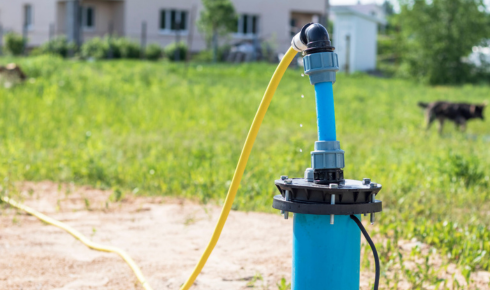
Drainage pumps help protect basements from groundwater buildup. Well pumps deliver household water in rural properties. Irrigation systems rely on pumps to distribute water efficiently across landscapes and gardens. In some homes, multiple pump systems operate simultaneously without anyone thinking twice about it.
The interesting thing is how unnoticed reliable equipment becomes.
Nobody compliments a sump pump during a dinner party. No guest walks into a home and says, “Wow, impressive drainage system.” But the moment equipment fails during heavy rain, suddenly everyone understands its importance very quickly.
That’s the strange reality of infrastructure. Success usually looks boring because problems never fully appear.
Smarter Water Use Is Becoming More Important
There’s also been a noticeable shift toward conservation and smarter resource management lately. Water used to feel unlimited in many regions. Now, between drought concerns and rising utility expenses, homeowners are paying much closer attention to consumption.
Modern rainwater systems are becoming increasingly popular because they allow homeowners to collect and reuse water for irrigation, outdoor cleaning, and landscaping instead of relying entirely on treated municipal supplies.
And honestly, the technology has improved tremendously.
Years ago, rainwater collection often looked temporary or improvised — barrels beside sheds and awkward piping running through gardens. Newer systems integrate much more naturally into homes and landscapes while operating efficiently with minimal maintenance.
There’s also something satisfying about using naturally available water more responsibly instead of simply watching it rush into overloaded storm drains during every storm.
Water Systems Affect More Than People Think
One thing homeowners are slowly realizing is how deeply connected water systems are to overall property health. It’s not only about convenience anymore. Water affects foundations, air quality, landscaping, appliances, utility costs, and long-term maintenance in ways people often underestimate.
Poor drainage around a home can slowly weaken structural materials over time. Hard water can shorten appliance lifespan. Inconsistent pressure can strain plumbing systems. Small leaks hidden behind walls can create moisture problems long before visible damage appears.
The frustrating part is that most serious water issues begin quietly.
A little moisture here. Slight pressure fluctuations there. Maybe a drainage system working slightly harder during storms than it used to. Those warning signs rarely feel urgent at first, which is why people often ignore them until larger problems develop.
Technology Is Quietly Improving Home Infrastructure
One encouraging shift is how much smarter residential infrastructure has become recently. Modern water management systems can now include sensors, automated monitoring tools, backup power systems, and remote alerts that help identify issues earlier.
Some homeowners receive phone notifications if water levels rise unexpectedly or if unusual pressure changes occur while they’re away. A decade ago, that kind of technology sounded futuristic. Now it’s becoming surprisingly common.
Still, technology alone doesn’t solve everything.
Reliable systems still depend heavily on good planning, quality installation, and regular maintenance habits. Smart monitoring tools help catch issues early, but neglected equipment will eventually create problems no matter how advanced the technology becomes.
Maintenance Rarely Feels Exciting
Let’s be honest — water system maintenance isn’t something people get excited about. Most homeowners naturally focus on visible upgrades instead because they feel more rewarding immediately.
Fresh landscaping looks beautiful. Renovated kitchens feel satisfying. New flooring changes the atmosphere of a room instantly.
Maintaining drainage systems or inspecting hidden plumbing? Not nearly as exciting.
But experienced homeowners eventually understand something important: preventative maintenance is almost always cheaper than emergency restoration after water damage occurs.
And unfortunately, water emergencies rarely happen at convenient times.
Final Thoughts
Water infrastructure doesn’t ask for much attention when everything works properly. It stays hidden behind walls, beneath foundations, and underground quietly supporting everyday life without recognition.
Yet those systems protect homes constantly.
From pumps and drainage solutions to conservation strategies and modern water management technology, homeowners are beginning to understand that reliable infrastructure matters far more than most people once realized.
And honestly, that awareness probably isn’t a bad thing at all.

Admin
A contributor to the Blogistra editorial desk, covering ideas, industries and modern life.
More from this author